



More Than Business: How Artist Managers Become Partners, Coaches, and Advocates
The following information on what makes a good artist manager is excerpted from the Berklee Online course Artist Management, authored by Ardie Farhadieh, and currently enrolling.
When an artist and artist manager decide to work together, their relationship becomes about more than just business. The artist manager will practically become family to the artist, a trusted friend, an executive coach, and CEO of the artist’s business. Once working together, the manager and artist will be in constant communication with one another in regard to the ins and outs of the artist’s career. It takes a certain kind of person to be a good artist manager, and here are some of the qualities you will need:
Passion
Without passion and love for the music you are representing, it’s impossible for you to be an effective artist manager. When an artist manager discovers an artist, they need to believe in their music and visualize the path to a successful career. It’s passion that will allow the manager to work alongside the artist, regardless of the ups and downs that come with their career. If either the artist or artist manager loses that passion, then it’s harder to drum up passion in the people the artist is playing for. Ultimately, if the manager still has passion, they will be able to overcome the tougher obstacles that come with managing an artist.

“I discovered the Replacements in the mid-’80s and lost my mind. That was it for me. Three-chord guitar rock became my jam. I just wanted to see every live show I could.”
Janet Billig Rich saw the Replacements more than 100 times before she even entered the music business. Her entire career—selling merch, interning, signing Hole, managing Nirvana, the Breeders, the Lemonheads, and more—sprang from chasing that raw musical high. Listen to a 2020 interview with her on the Music Is My Life podcast.
Drive
With passion for the artist’s music comes the drive to manage and work hard on their behalf. Passion and drive will go hand-in-hand. There will be a level of excitement that comes from managing an artist and seeing their growth from effective strategy. Every little win will seem big because it will be the passion and drive that will have made that win possible. This excitement should hopefully create a level of drive and propel a manager to work even harder every step of the way.
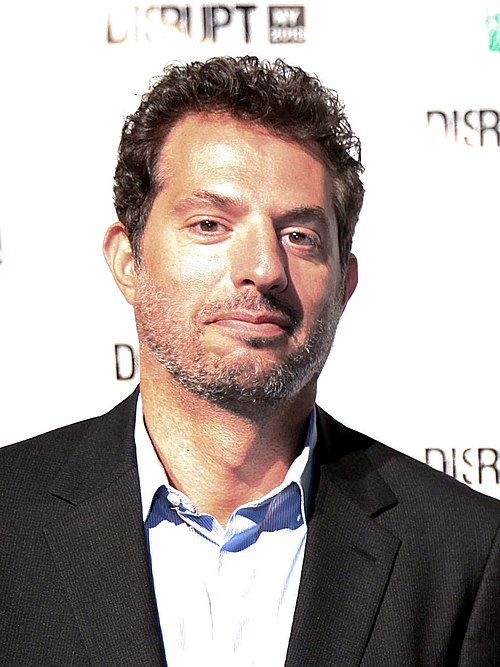
“I’m a student of trying new things. Think about Prince or Radiohead—people thought they were crazy. Taking chances doesn’t come without risk, and I don’t want to be fearful.”
Guy Oseary wanted to work with Madonna so badly that when he first appealed to her manager for a job, he offered to do it without pay. He eventually went on to manage Madonna himself, as well as Red Hot Chili Peppers and U2—whom he famously advised to put their album on the iPhones of every Apple user, a decision he says was worth the risk.
Leadership
Another quality an artist manager should possess is leadership. Leadership is crucial, as the artist will most likely not understand how to maneuver the nuances of the music industry. An artist might not understand deal structures, the differences between labels, publishers, rights organizations, and what different team members do, so it’ll be the job of the manager to effectively lead the artist in the right direction.
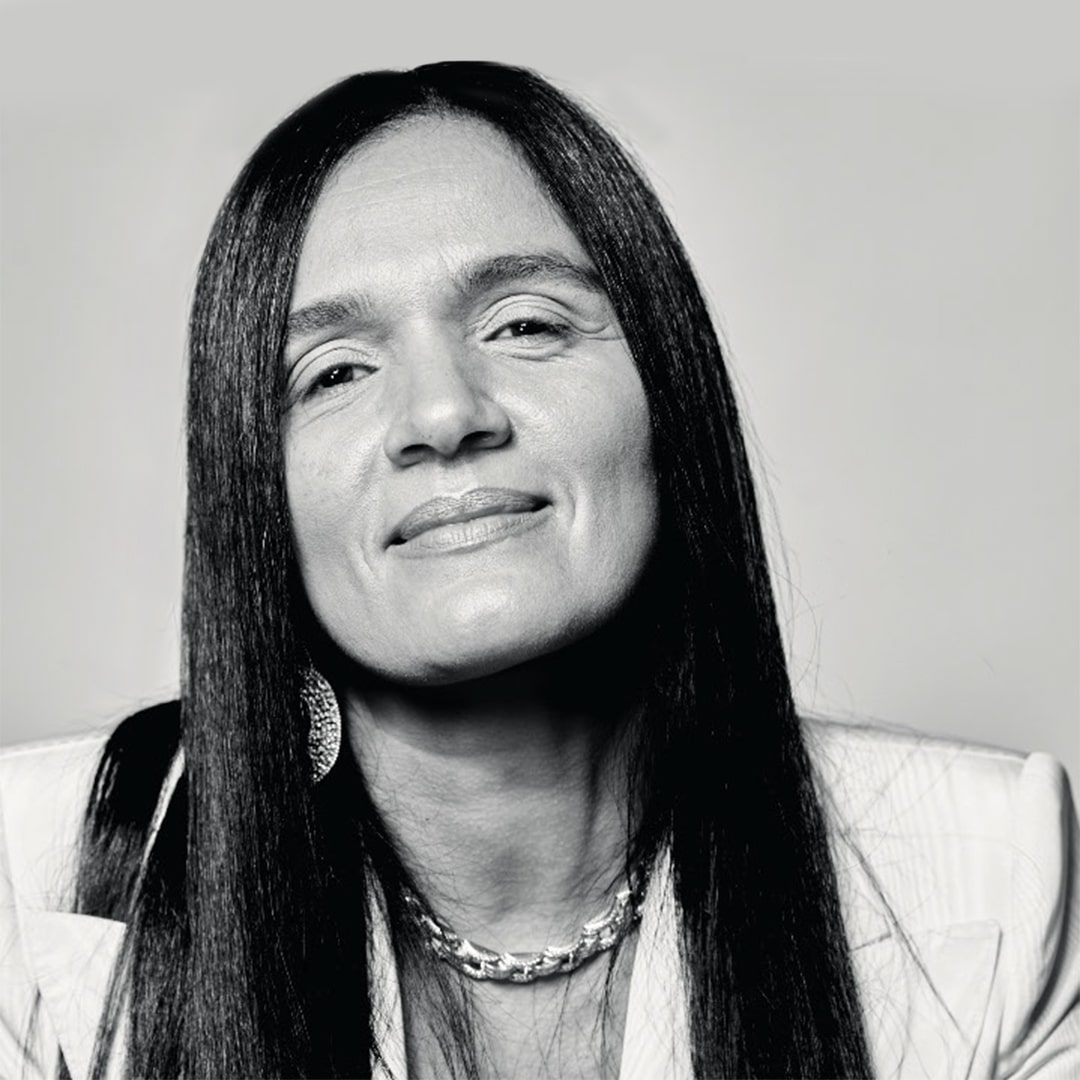
“I try to lead by example. I’m not above any task and I don’t ask a Roc employee to do something I wouldn’t or haven’t done myself. Anyone who has seen me work can attest to that. It starts with commitment and discipline: most people who’ve been with me for a while know my response to a question before they ask it. That steadiness, to me, is the essence of leadership.”
Desiree Perez is the CEO of Roc Nation, which she co-founded with Jay-Z. The company represents artists including Rihanna, J. Cole, Lil Uzi Vert, Megan Thee Stallion, and Buju Banton.
Transparency
The artist should feel comfortable and trust the manager to guide the artist’s career in a manner that sets the artist up for success. The more transparent a manager is, the more trust they build with the artist. It’s this trust that will ultimately create a long-lasting bond between an artist and their manager.
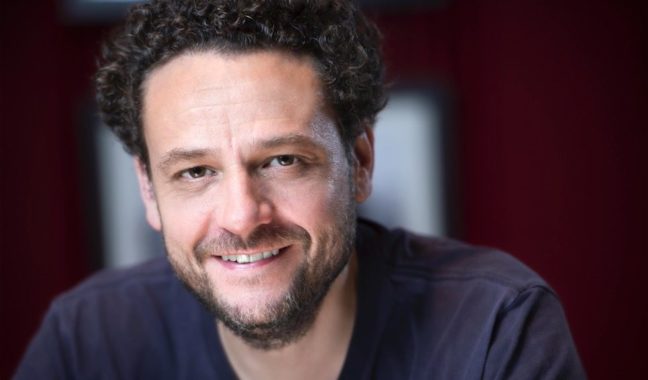
“I think it’s important to offer a creative opinion, even if the artists disagree with most of it—and, trust me, the good ones usually do—and remember that being overly reliant on people at labels is dangerous.”
Jonathan Dickins has been Adele’s manager since 2006, and Adele has confirmed Dickins’s account to Vanity Fair: “My manager and I butt heads all the time, we raise our voices, but if he says, I don’t think you should do something, I’m like, ‘fine, I won’t do it.’”
Knowledge
Knowledge is power, and a great manager should understand every aspect of the music industry and how it functions. In order to properly guide an artist’s career successfully, you must have a strong knowledge of how the music industry works and an understanding of the strategies that build an artist’s brand and retain fans.
STUDY MUSIC BUSINESS WITH BERKLEE ONLINE
In the early days of a manager’s career, it will be virtually impossible to fully understand how the industry functions—and that’s why experience is a key factor in making a good manager—but by actively working on the job and encountering the various players, a manager will start to gain a knowledge base. Additionally, a manager should be able to take the knowledge they’ve gained and educate the artist every step of the way while laying a foundation of trust and transparency.
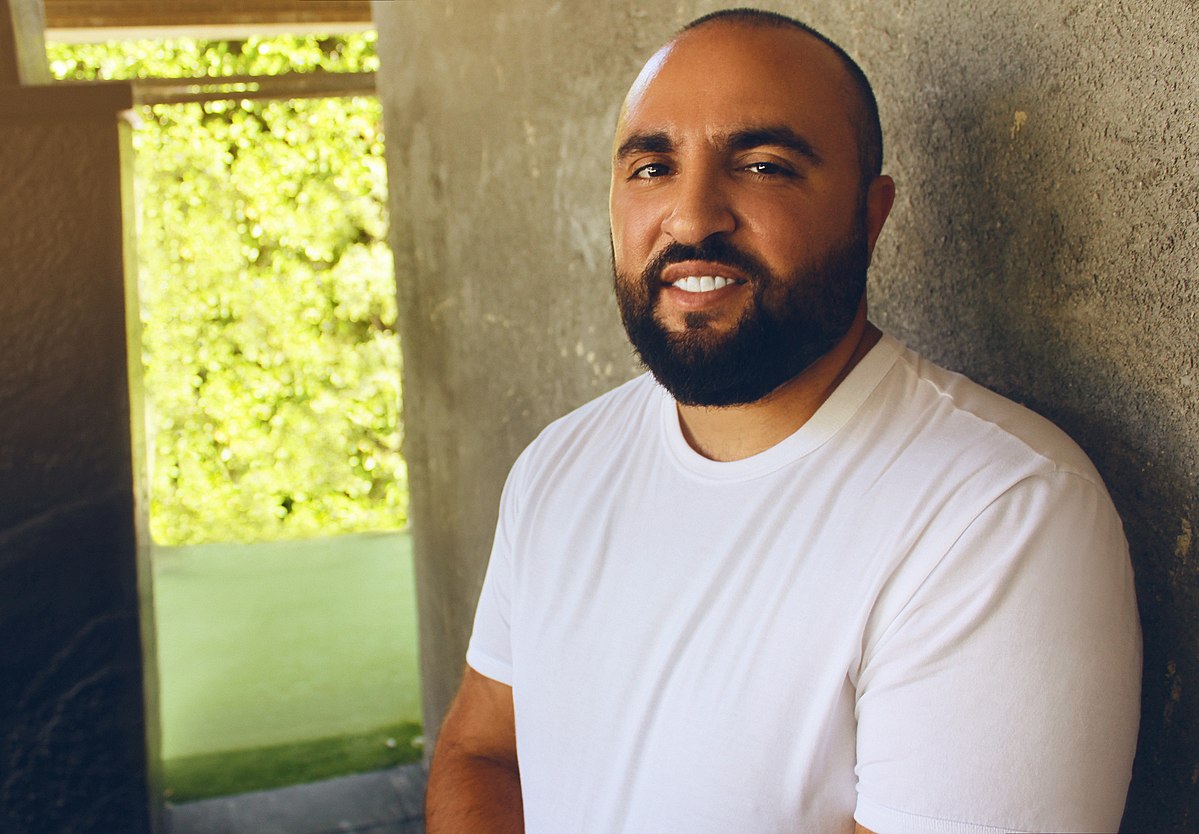
“I don’t expect an artist to come to me and have their shit organized—that’s what I’m here for. I expect an artist to come to me with a vision, and to want to do this for the right reasons.”
Wassim “Sal” Slaiby manages a diverse roster of artists through his company, SALXCO, and also co-founded XO Records with The Weeknd. Some of his notable clients include The Weeknd, Doja Cat, French Montana, Bebe Rexha, Ty Dolla $ign, Metro Boomin, and Swedish House Mafia.
Compassion
An artist will seek career guidance from a manager, but over time, an artist will start to confide with a manager about relationships, mental health, and many other matters. A good manager will be able to chat with the artist and guide them through the high points and low points of their personal life and professional career. Good managers will offer reassurance, provide constructive criticism, and show the artist how all the hard work that they put forth will eventually pay off.

“My mantra since day one has been: Do what’s right for the artists and, in turn, that decision will be right for you. I can honestly say that strategy hasn’t failed me once.”
Irving Azoff has built a decades-long career managing artists ranging from the Eagles to Christina Aguilera and Cardi B. Known for fierce loyalty to his clients, he’s been called “the most powerful man in music” for his ability to champion artists’ rights and protect their interests—often at the expense of his own relationships with labels and promoters.
Boundaries
There will be times that the artist’s personal problems or career is affecting their mental health to the point where whatever the manager says will not matter. Just like any friendship, a good manager should be able to recognize when their advice isn’t enough to help the artist. At some point, it’s okay for a manager to acknowledge this and then properly guide, or refer, the artist to the appropriate persons that can help, such as a professionally trained therapist or specialist.
While friendships naturally occur in business, a manager should also know when to set personal boundaries. As another example, a manager should not be expected to be accessible 24/7 to an artist. Managers should make a conscious effort to not be reachable at certain hours, so they can rest, recharge, and take personal time for themselves.
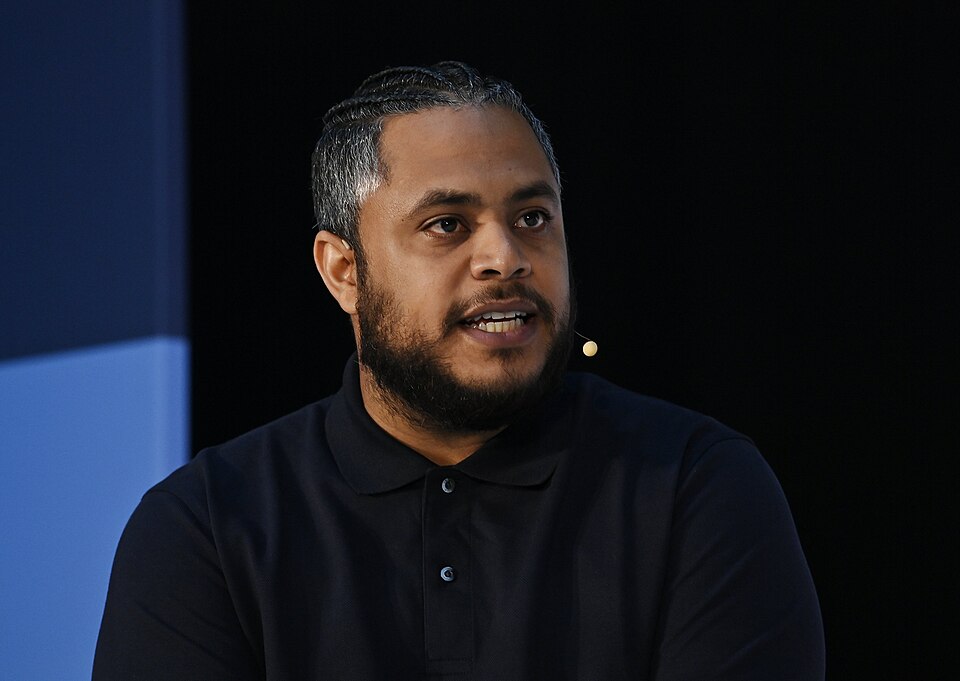
“I want them to have complete control over their creative input and allow me to do what I do best, which is run the business and sell whatever is created. If I have to be involved in the creative, I’m not as effective with the business.”
Anthony Saleh is the CEO of Emagen Entertainment Group, which reps such notable acts as Kendrick Lamar and Nas. He previously worked with Future.
Overall, there are various qualities a manager should possess. An artist manager must be able to multitask, work hard under pressure, keep calm in stressful situations, and have strong organizational skills. Truth be told, the ability to go above and beyond for the artist is what makes a successful artist manager.