Sean Slade helped shape the sound of ’90s alt-rock, from Boston’s Fort Apache studio to Radiohead’s breakout hit “Creep.” In this Q&A, he shares the stories, instincts, and creative risks behind those sessions, along with the lessons that continue to guide his work as a producer and educator, teaching in Berklee Online’s Music Production grad program.
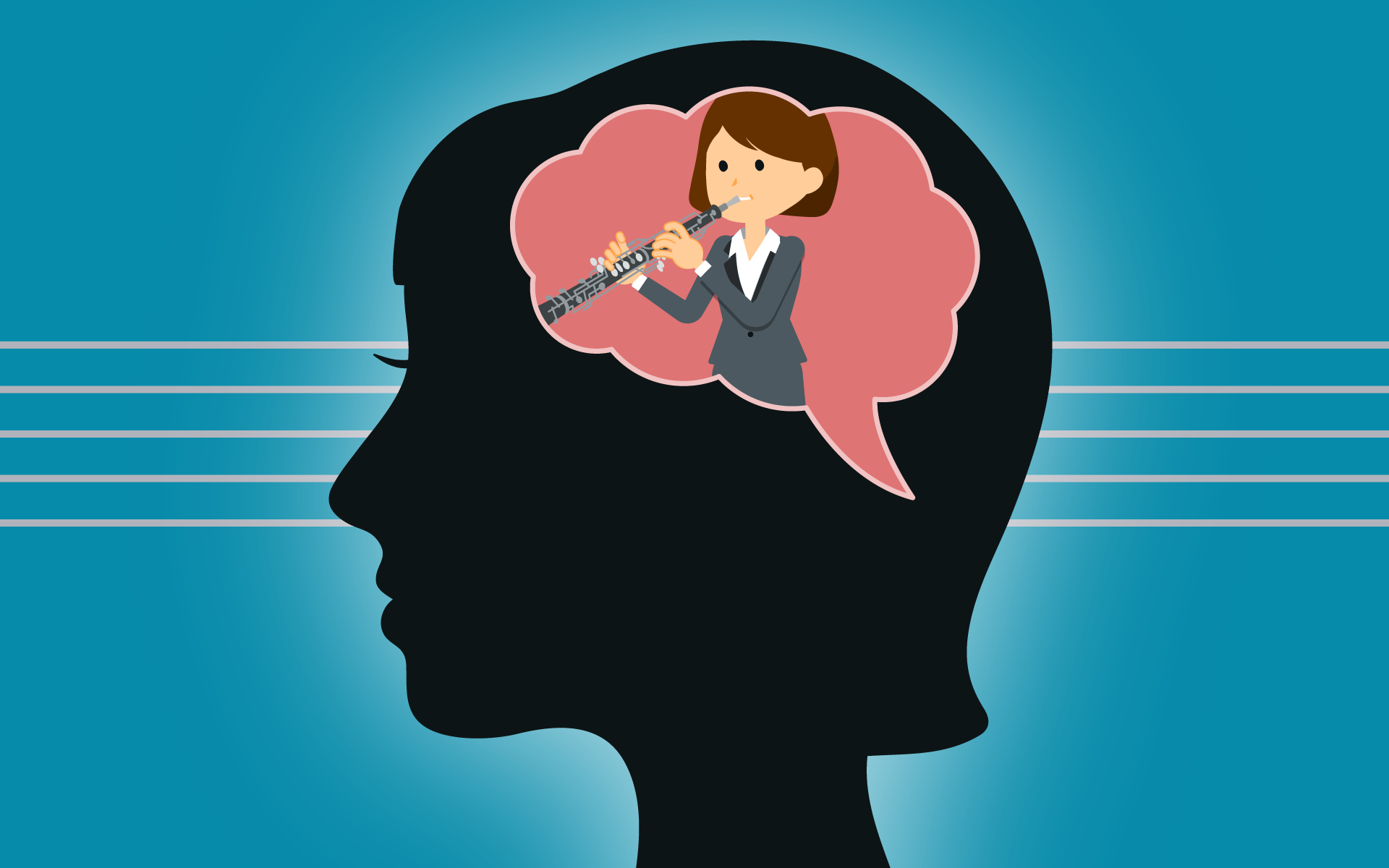
As a musician, not all of your practice will be on your instrument. Some of it will be in your head, and some of it may even be on objects that just look like your instrument. We call this mental practice, and in this excerpt from Barbara LaFitte’s Practicing Techniques for Musicians course, the former principal oboist in the Boston Ballet Orchestra shares tips on how to practice your instrument when you just aren’t able to actually play your instrument.
Wondering where to take your music career? Explore the best cities for your professional life through expert advice from Berklee Online instructors and alums who currently live and work in Nashville, Los Angeles, New York City, and Miami.
Cindy Blackman became Lenny Kravitz’s drummer after a lifetime of jazz drumming. In this wide-ranging interview she discusses being visited by the spirits of the jazz greats she befriended during her time in New York City, and how she and husband Carlos Santana stay in harmony, onstage and off.
The Grammy-Winning Music Supervisor Talks Storytelling, Song Selection, and Teaching in Berklee Online’s New Music Supervision Graduate Program
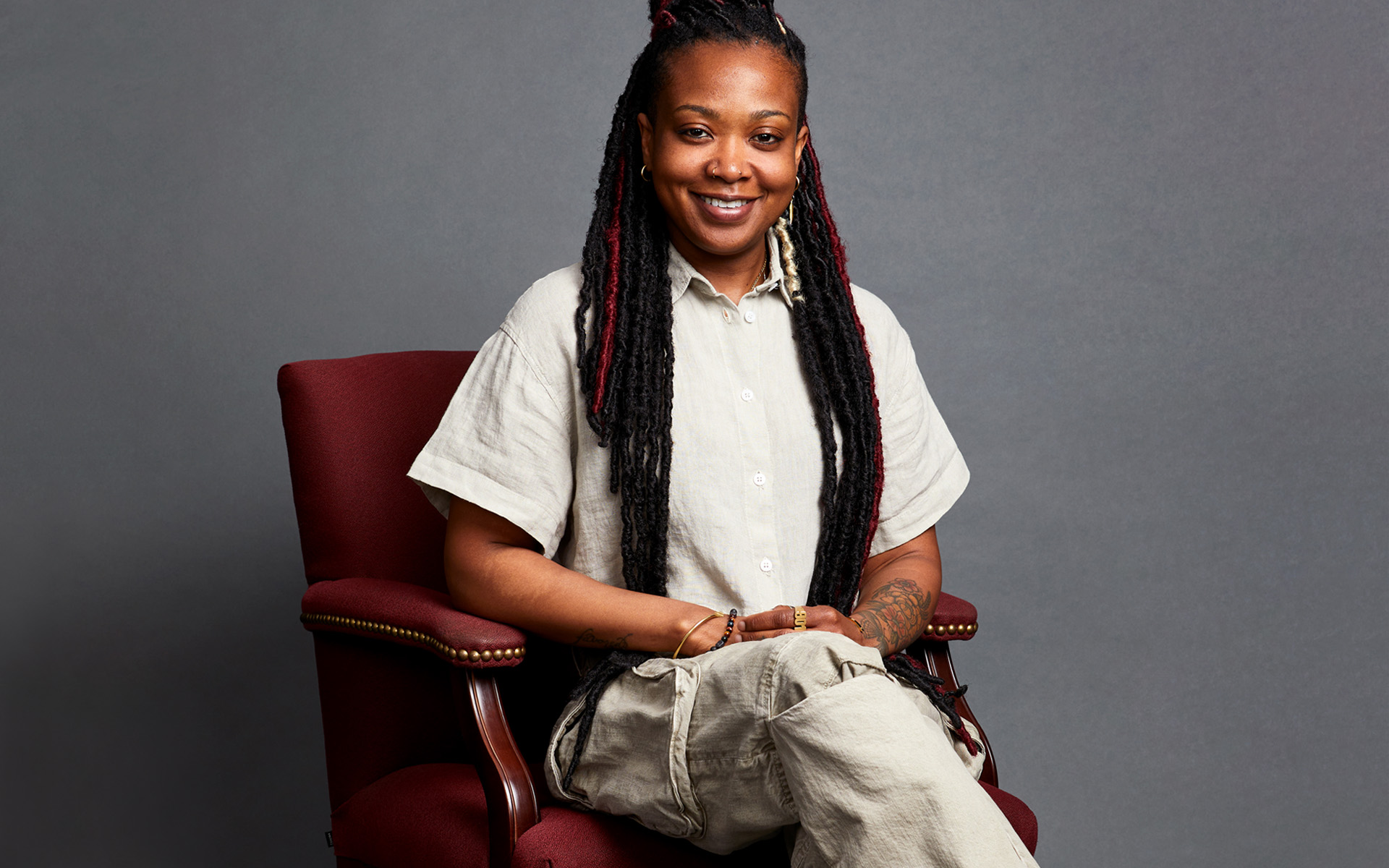
Julia Michels often works as a music supervisor on films where the music itself is a main character. Just look at some of her biggest credits: She won a Grammy for her music supervision work on A Star Is Born, a love story between two musicians; she worked on all of the movies in the Pitch Perfect series, which follows a college a cappella group into an increasingly competitive field; and she did the music supervision for The Greatest Showman, an original musical loosely based on P.T. Barnum, full of singing and dancing.
You’ve worked on so many projects where the music is inseparable from the way the audiences remember the movies. Can you take us back to one musical decision that looked small at the time, but ended up having a much bigger impact than you expected?
Julia Michels: The classic example for me of something that seemed small but became iconic in music supervision is the opening title of the first Devil Wears Prada film. That was a movie based on a book that people were excited about. We were crafting the musical landscape and the opening title was a big featured sequence that was going to set the tone of the music. Finding that one song, “Suddenly I See” by KT Tunstall, really landed so well in that opening title sequence and commented on not only the action, but the characters. The lyrics and the music were so popular that it just launched the whole Prada series into the zeitgeist of music that people still talk about. The interesting thing about that is that it was all existing music. There was no original music in that movie, but we managed to find this music that defined the Prada landscape. Along with the score, I think the music is kind of iconic all around.
In most placements, you don’t have to worry about the song itself because that’s a known commodity and it won’t change because it’s a definitive recorded version that you’re dealing with. But then you take something like Pitch Perfect or A Star Is Born, where these are going to be either brand new songs or wholly original interpretations of them. What’s the difference in your approach with projects like that?
Julia Michels: In something like Pitch Perfect we have to choose the music that will tell the story before we even shoot. We also had to arrange all the songs, then the cast had to record them, and then we shot. So it’s very different from choosing an existing piece of music for a montage or a background.
If you’re in a club and you’re looking for something fun to dance to, you have to figure out what song is going to tell that story in that scene. Then you have to hire people to do the arrangements. Then you have to clear the music. Then you have to have the cast record the music, and then you go on set and you monitor the whole situation.
We call that an on-camera movie, which is very different from a non-on-camera movie. That is really a learned skill. That’s something that I’ve done over the course of my career. I enjoy that very much. It’s a lot of work, but I enjoy that process because you really get to know the cast.
Let’s talk a little bit more about Pitch Perfect. Choosing a song like “Don’t You (Forget About Me),” which had already appeared in a different iconic movie, seems like you’re setting the bar unnecessarily high for yourself! But you did clear it!
Julia Michels: The choice of “Don’t You (Forget About Me)” was integral to the story, because it was a point where the character Jesse was introducing to Becca a movie that she had never seen. So first we had to decide what that movie was going to be. That song wasn’t the first choice. There were a couple other choices, but we landed on “Don’t You (Forget About Me)” because that was very integral to their storyline and their relationship, they had kind of a falling out. At the very end, at this finale, we wove, “Don’t You (Forget About Me)” into the mash-up. So then Jesse—when he was sitting in the audience—got to understand that Becca was reaching out, sort of as an olive branch, to say, “I’m sorry” and kind of reconnect with him. That was very intentional, how we chose the movie, and we chose the song from the movie, and then we wove it into the finale.
You said that “Don’t You (Forget About Me)” wasn’t the first choice. Are you allowed to say what song and movie you originally had in mind?
Julia Michels: I’m trying to remember what that was. It was so long ago. I don’t want to speak out of turn, and I can’t remember what the original choice was.
When a movie you’ve worked on gets a sequel, how do you move that story forward without repeating yourself, but also maintain some of the original identity?
Julia Michels: That’s a really good question. I’ve definitely worked on a few sequels before. In the case of Devil Wears Prada, it was 20 years later. The first thing that had to start was the story. I think they did a great job with the story. It was so relevant to now that magazines are not really a thing anymore, everything’s digital, the newspaper and magazine print industry is dying. So how do Miranda, Andy, and Nigel exist in this world today? And what does that world look like musically? So we thought a lot about 20 years later, who would they be? What would they be wearing? What would they be listening to? And really, what kind of came about is this very sophisticated sound that’s coming out of London, the SIENNA SPYROs and the Olivia Deans. We kind of latched onto that after we chose Lady Gaga to be in the movie, in her iconic scene in Milan. Of course, she wrote some songs for the film as well.
It’s very intentional when you do a sequel, you want to be different. It really is led by the filmmakers and the story. My job is to tell the story and help them tell the story through music. It’s very collaborative and that’s what I really enjoy about it.
One more question about the two Devil Wears Prada films being 20 years apart, we talked about what had changed in the characters’ industries, but what about what’s changed in yours?
Julia Michels: What changed in 20 years in the music supervision world is that I used to go to the record store, buy CDs, walk into my editorial room with my music editor, and line up my CDs by scene, so we would import the music. We cut the music into the scene, and then the director would come in, and we’d show the picture. Now everything’s digital, so things happen much quicker. I make playlists, and we send them over to a music editor. The music editor will send me a scene. It’s so much quicker. I love both ways, but it is nice to be able to be more productive in the digital world and just get more music in front of your filmmakers or your showrunners so they can make the decisions that they want to make.
Do you think it’s easier to find your way into music supervision now than it was when you were starting out?
Julia Michels:
When I was young and trying to get into the music business, I didn’t even know music supervision was an actual career. I would have loved to have something like the Berklee Online program, because I think that the authors who are writing these courses are experts in their field. You’re going to learn so much about our craft, and you will be so much further along, stepping into this world, just when you enter, if you get a chance to take these classes.
You mentioned that you didn’t even know music supervision was a career when you were starting out. I have to imagine that there are probably still plenty of people who aren’t entirely sure what music supervision even is. How do you define it?
Julia Michels: Music supervision is feeling. You can’t be a great music supervisor if you don’t feel the music first. You can intellectualize it. You can strategize about it. But when you’re in a theater or you’re watching a show, and you want to relive what you were feeling when you watched it, that’s why. Because someone’s done a great job curating the music in that episode or that TV show that makes you want to either buy the soundtrack or rewatch the film. So I always say that music supervision is feeling.
Where do you do most of your hunting for songs?
Julia Michels: Well, luckily, I’m in the buying position, which I love. Especially with The Devil Wears Prada, people throw music at me, which is wonderful. So publishers, labels, managers, and agents send me all new music that they’d like to be in one of my projects. Then of course, I use Spotify and Apple Music equally. The nice thing about having relationships with our labels and our publishers and the people I just mentioned is that they’re always in my ear about what’s coming out, what’s new, who’s doing what. They know what I’m working on, they try to sell me on ideas. It’s very collaborative and our community is so small. A lot of times they just come to me and say, “I have this idea.” And I would be like, “Oh, I didn’t even know these artists existed. This is a great idea!”
You probably don’t hear much bad music, do you?
Julia Michels: [Laughs] No one’s ever asked me if I hear bad music. But it’s true! I don’t really hear bad music. What I tell the people that work for me is this: When you’re pitching music, first of all, it has to be a great song. It doesn’t even matter if it works yet. It has to be a great song. It has to be recorded well, the mix has to be great. After that, then you can judge if it’s going to work in a film. But I get to listen to a lot of great music. I’m very lucky!
So many of your films that you’ve worked on are about music, in some capacity. Does that make it easier or harder?
Julia Michels: I think that my movies that are about music become a little more complicated because we want to be authentic about the music. So the research is very important; playing the right instruments, playing the right guitars, having the drums on set that are supposed to mimic the drums that are in the track, etc. It becomes a little bit more intentional and research-based because you want to get it right for the viewers who are watching what you’re creating.
What about something like The Greatest Showman, where it’s a new musical? What is your role on a project like that?
Julia Michels:The Greatest Showman was a movie that had a lot of moving parts, basically, because I developed that music for three years before we shot a frame. It was myself and the director and we went out to maybe 15 to 20 producers and writers to write demos for all those songs. It was long and it was arduous. Finally, some songs came in that rose to the top. Those songwriters wound up doing the movie, but it took a long time to get there. It was a long process of passion and then, of course once the songs are written, then there’s a lot of arranging the songs and having the cast sing the songs. There was a very long development process on The Greatest Showman and I’m very proud of that. I’m very proud of what we did and how we stayed intentional, and I have a lot of great music on my computer that never saw the light of day from that process.
How important do you feel it is to have experience in creating music to be a music supervisor?
Julia Michels: It’s a really good question. How important do I feel that it is to have experience creating music? I am not a musician. I played the flute and the piano when I was younger just because everyone else did. I was a choreographer. I was a gymnast. I did cut my own music. Again, when I said that music supervision is feeling, I feel like music is in my body and it’s in my soul and my spirit. So I don’t think you have to have any experience creating music. You just have to have a passion for music. You have to want to consume music. You have to know who wrote the songs and produced the songs. Most people do have a passion for music, but there’s an inherent love of storytelling and that’s really what my course is about. It’s about storytelling and how music moves a story forward. Once you understand that, you can be a great music supervisor.