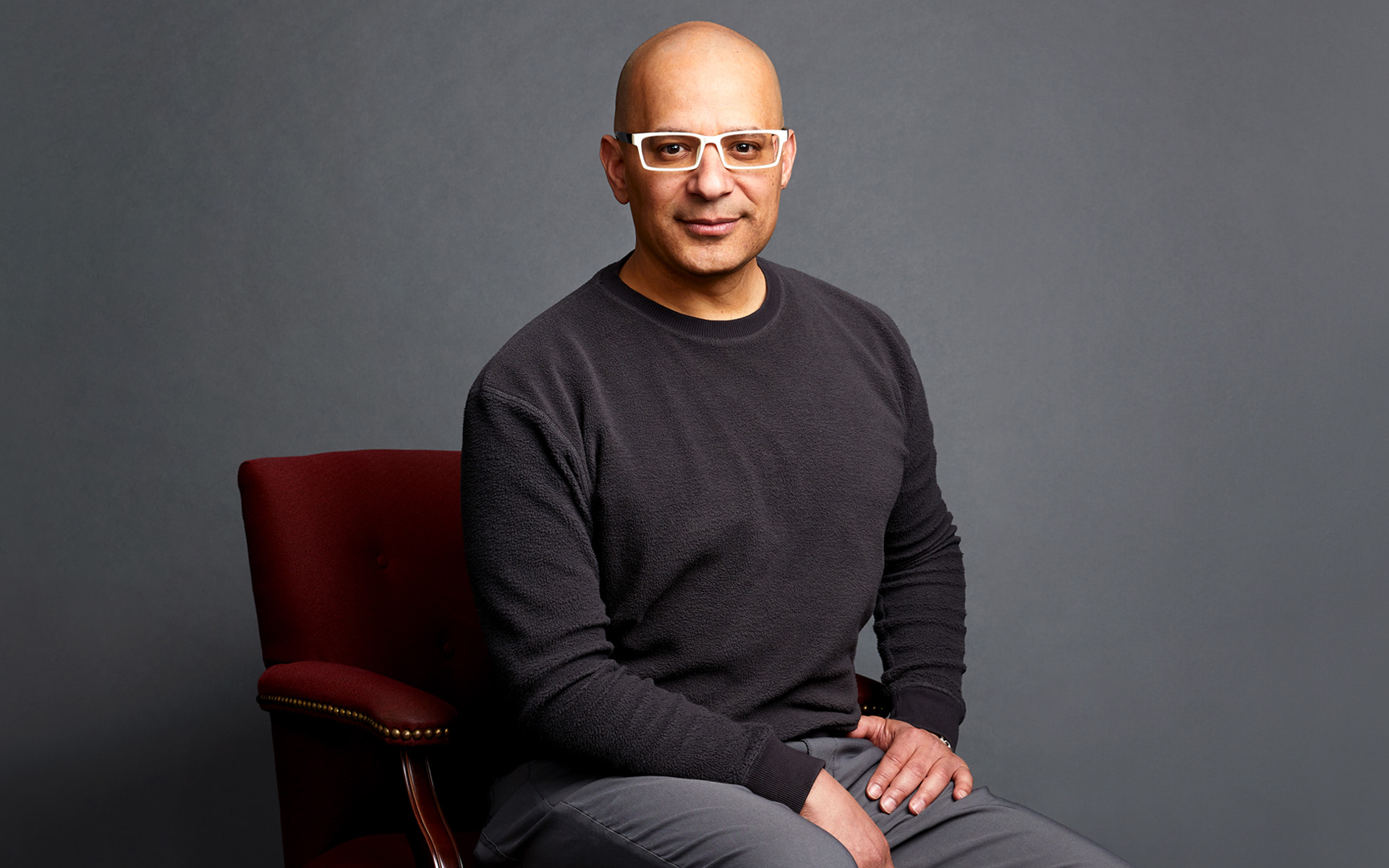
Sean Slade helped shape the sound of ’90s alt-rock, from Boston’s Fort Apache studio to Radiohead’s breakout hit “Creep.” In this Q&A, he shares the stories, instincts, and creative risks behind those sessions, along with the lessons that continue to guide his work as a producer and educator, teaching in Berklee Online’s Music Production grad program.
As a musician, not all of your practice will be on your instrument. Some of it will be in your head, and some of it may even be on objects that just look like your instrument. We call this mental practice, and in this excerpt from Barbara LaFitte’s Practicing Techniques for Musicians course, the former principal oboist in the Boston Ballet Orchestra shares tips on how to practice your instrument when you just aren’t able to actually play your instrument.
Wondering where to take your music career? Explore the best cities for your professional life through expert advice from Berklee Online instructors and alums who currently live and work in Nashville, Los Angeles, New York City, and Miami.
Cindy Blackman became Lenny Kravitz’s drummer after a lifetime of jazz drumming. In this wide-ranging interview she discusses being visited by the spirits of the jazz greats she befriended during her time in New York City, and how she and husband Carlos Santana stay in harmony, onstage and off.
Berklee Online’s Senior Manager of Frontline Admissions Spends Seven Weeks Touring as Drummer for the Band Astronoid
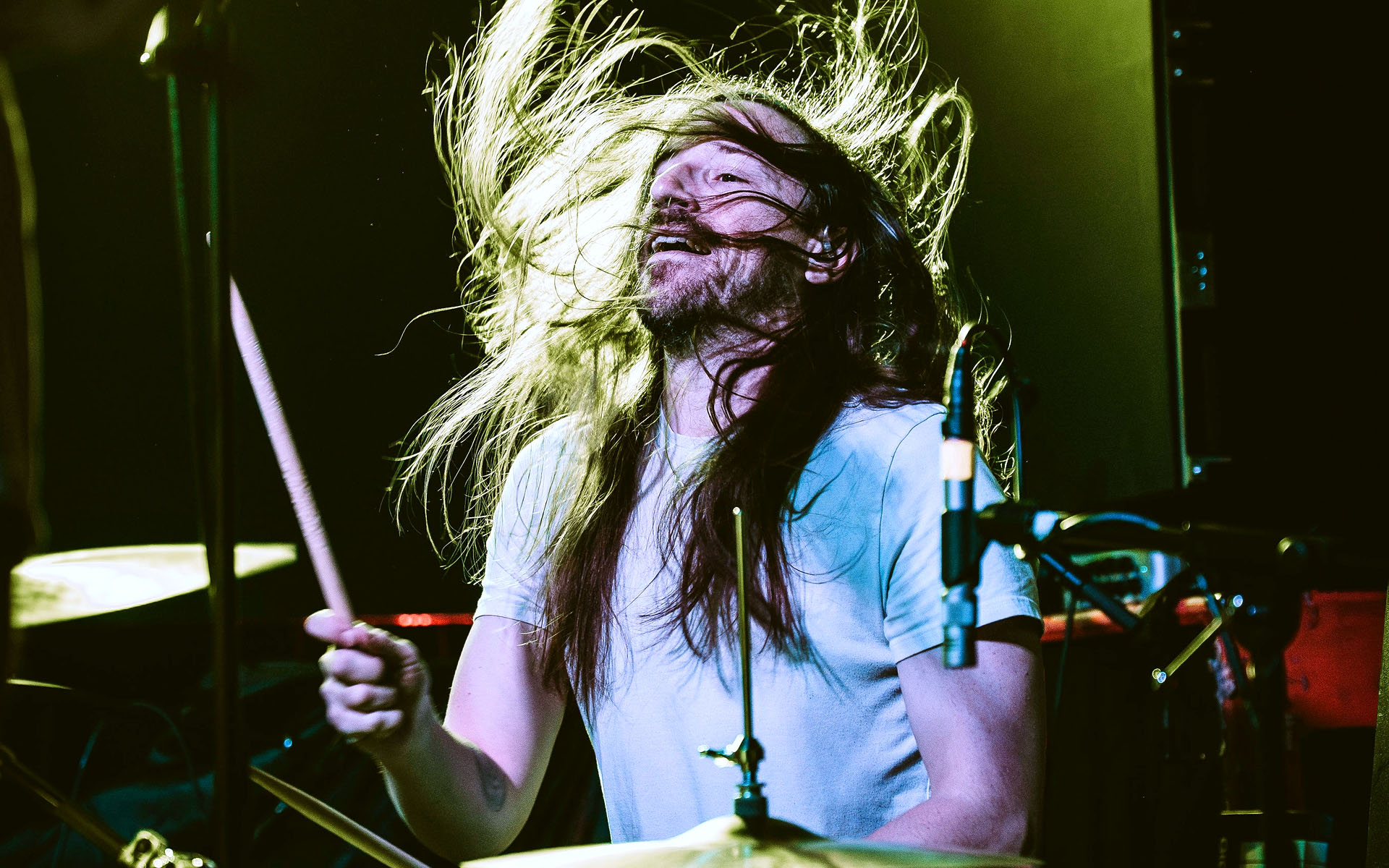
In 2015, when Dylan Charest first started at Berklee Online, it would have been hard to imagine going on tour while also working as a full-time advisor at the college’s Boston campus. A lot has changed since then: Berklee Online became a remote workplace following the pandemic, and technology has advanced to the point where you can get a fast internet connection just about anywhere. Additionally, Charest now leads a team of Advisors as the senior manager of frontline admissions.
When asked to go on a 26-city tour as the drummer for the band Astronoid, it was an opportunity that Charest couldn’t pass up, and one he didn’t have to. Opening for the band Eidola alongside Nerv, over seven weeks, they traversed roughly 10,000 miles across the US.
“As a musician, playing in a band, being on tours, it’s what I always envisioned myself doing,” says Charest. “But being able to do both and having that balance, maintaining a career that I’ve put a lot of time into, and also being able to get back into something that I’ve been passionate about most of my life, has been pretty special.”
In many ways, Charest experienced what it was like to be the Berklee Online students that he helps every day, some of whom complete their coursework on the road, between shows and soundchecks, and in hotel rooms.
“It really is a full-circle experience,” says Charest, who has studied with Berklee on the Boston campus and online. “Being able to have the perspective of somebody who’s an online student, somebody who works for Berklee Online, and then also actually being out there, not just representing myself, but representing Berklee in a way was really cool.”
Charest was in good company with his Astronoid bandmates Brett Boland, Casey Aylward, Dan Schwartz, and Phil Lord; the latter two also worked from the tour van, while Boland and Aylward switched off driving. They had a Starlink satellite dish, which allowed them to access the internet even in the most remote spots.
“We continued working full-time, so we each had our own bench behind the two front seats,” says Charest. “We had lap desks, headsets, and the Starlink, and we’d just give each other a heads up when we were hopping into meetings.”
On a typical show day on the West Coast, Charest would wake up at 5 AM and start working at 6 AM in the hotel lobby. In the late morning, the band would hit the road and start driving. Once they arrived at the venue, they’d load in around 1:30 PM, soundcheck, and perform, usually getting back to their hotel at 1:30 AM. Sleep quickly became the most valuable commodity on tour.
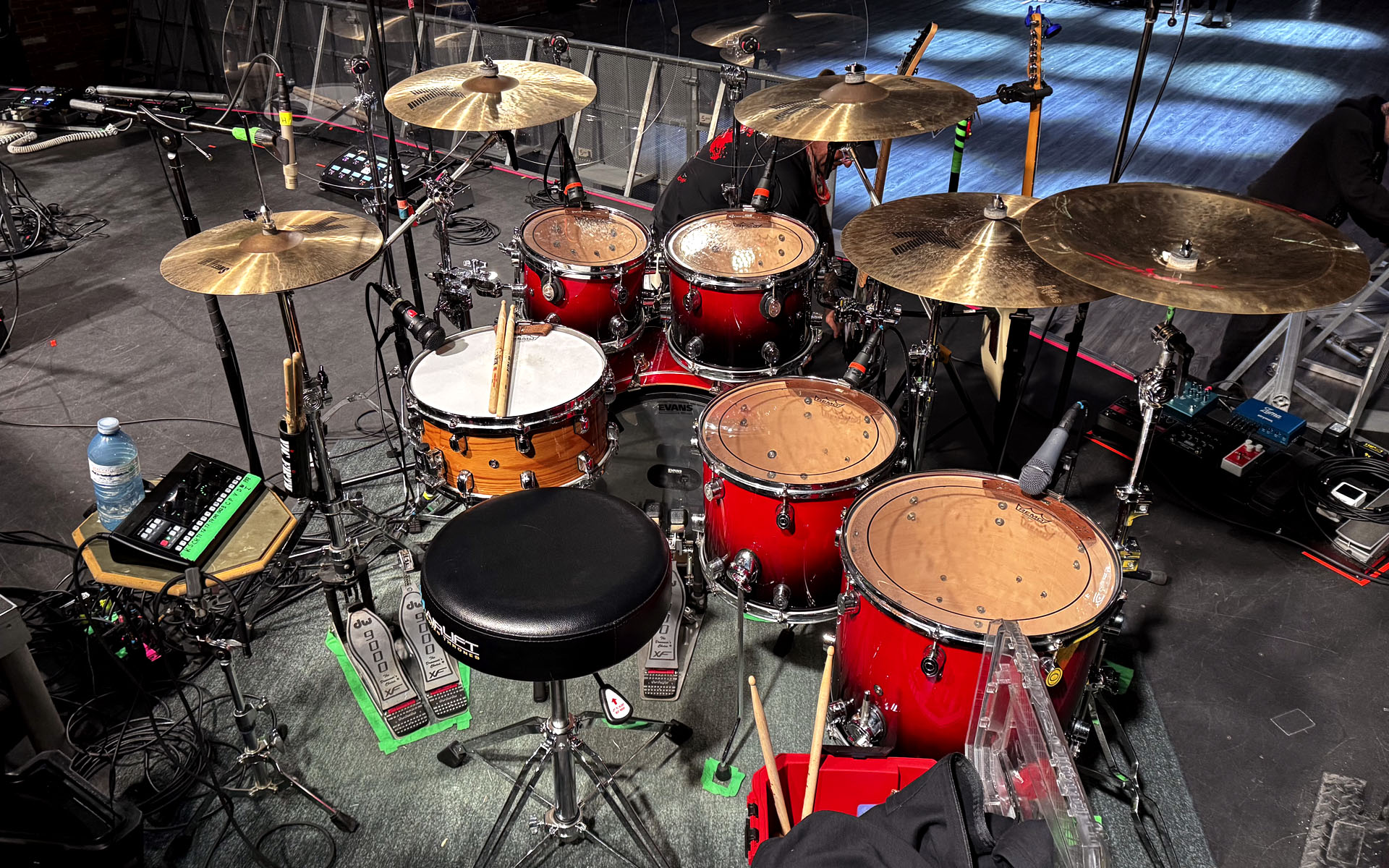
Dylan Charest’s drum kit.
“There was a week there early on where it was very, very short nights,” he says, “but it was great just experiencing something that you love to do, and for me, it was the first time I had visited most of these places.”
Once the band reached the East Coast leg of the tour, Charest’s early mornings weren’t quite so bad, starting work at 9 AM. Plus, he says seeing friends or Berklee Online colleagues in the audience always helped mitigate burnout. He says some of his tour highlights included Austin, Tampa, New York, and of course, the hometown show in Boston.
“You just see somebody, a familiar face, you get a hug, you get to catch up, and it totally just rejuvenates you,” he says.
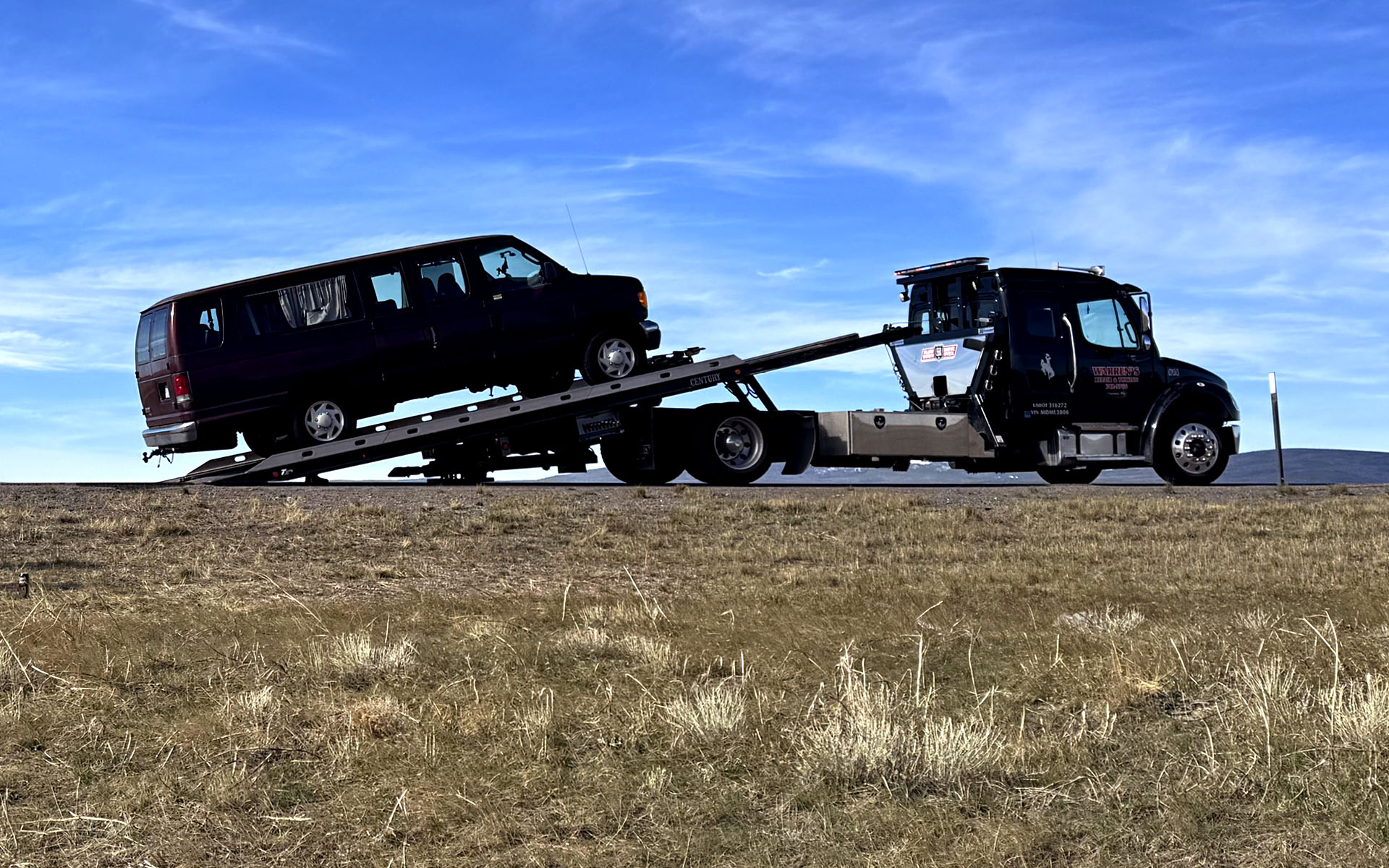
Charest says the most interesting place that doubled as an office was the side of the road. While driving to their final show in Salt Lake City, Astronoid’s van broke down in the middle of nowhere near Laramie, Wyoming, roughly five hours from the venue. Because it happened on a Sunday, the nearest mechanic shop wouldn’t reopen until Monday, forcing the band to miss the final show of the tour, and spend extra time in Wyoming.
Astronoid’s tour van being towed after breaking down outside of Laramie, Wyoming.
By the time they made it back to Charest’s house in Massachusetts, it was the middle of the night.
“I just immediately threw everything everywhere,” he says of all of the drums and equipment he lugged from gig to gig for thousands of miles, “and then I just went to bed.”
Even after seven weeks of early mornings and late nights, hundreds of hours in the van, and a detour along the way, Charest says he’d do it again. In fact, he says he hopes to!
“It was a nice reminder to see live music is still very much living and breathing,” he says.
“That feeling of being at a live show and watching other musicians onstage playing their instruments, feeling air being moved by speakers—nothing replaces that.”