




Musicians, This is How You Develop a Successful Merch Strategy!
The following information on music merch is excerpted from the Berklee Online course Music Marketing 101, written by Christopher Wares, and currently enrolling.
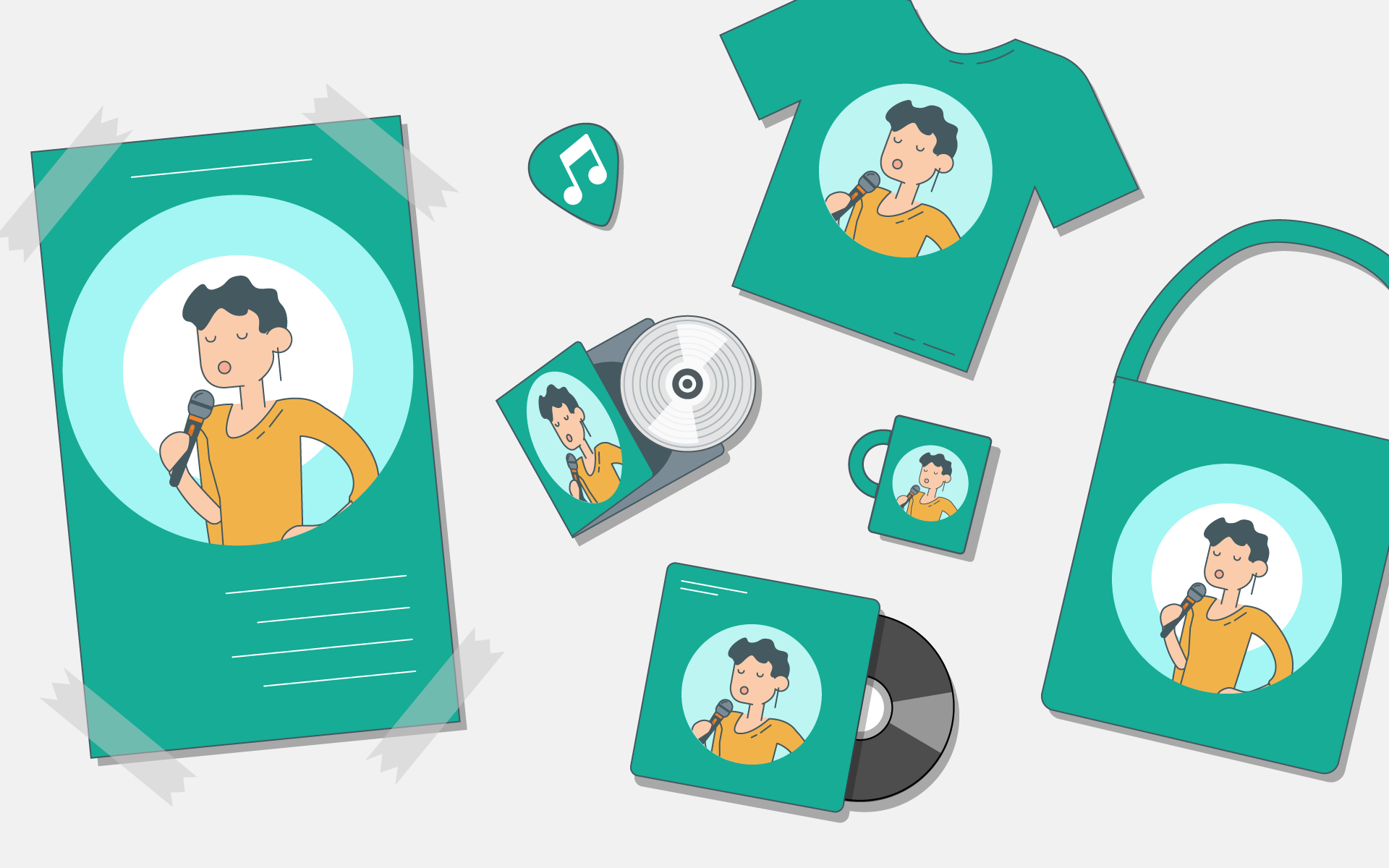
Merchandise, often referred to as “merch,” is a crucial aspect of a musician’s brand and revenue strategy. It encompasses a wide array of branded products that fans can purchase to show their support and affiliation with an artist. While traditional merch items like T-shirts and hoodies are staples, today’s merch offerings also include physical music formats such as vinyl records, CDs, and even cassettes. These formats are often considered merch because they serve as tangible, collectible items that fans cherish. (How many people do you know that own a cassette player, or even CD player, for that matter?) Effective merch strategies not only provide an additional revenue stream but also deepen fan engagement and loyalty.
Let’s explore the steps to develop and execute a successful merch strategy, from understanding your audience to analyzing sales performance.
Understanding Your Audience
The foundation of any successful merch strategy lies in understanding your audience. Knowing what your fans like and what they are willing to purchase is extremely important. By gaining a deep understanding of your target market, you can design and offer products that truly resonate with your fanbase, leading to higher sales and stronger brand loyalty.
- Market research: Start by conducting thorough market research. Conduct surveys and social media polls, analyze data from past merch sales, and check out what other artists in your genre are offering. Pay attention to trends and preferences within your fanbase. Look for patterns in their behavior and interests. For example, do your fans prefer eco-friendly products? Are they interested in limited edition items? This information will help you tailor your merch offerings to meet their specific needs and desires.
- Engagement and feedback: Engage with your fans directly to gather insights. Using social media is an excellent way to interact with your audience. Ask them what type of merch they would love to see next. Create polls or Q&A sessions to get direct feedback. This not only helps in understanding their preferences, but also makes fans feel valued and involved in your creative process.
- Demographic analysis: Analyze the demographics of your fanbase. Understand their age, gender, location, and even their lifestyle choices. Younger audiences might be more inclined towards trendy, inexpensive items, while older fans might appreciate classic, high-quality products. Geographical data can also influence the type of merch you offer. Fans in colder climates might prefer hoodies and beanies, while those in warmer regions might opt for T-shirts and caps.
- Psychographic profiling: Go beyond demographics and delve into the psychographics of your audience. This includes their interests, attitudes, values, and lifestyles. For instance, if your fans are passionate about sustainability, consider offering eco-friendly merch. If they are tech-savvy, think about integrating tech elements into your products, such as QR codes that link to exclusive content.
Behavioral insights: Study the purchasing behavior of your fans. When do they buy the most? Is it during album releases, tours, or special events? Do they prefer buying in bundles or single items? Understanding these patterns can help you optimize your merch strategy for different occasions, maximizing sales opportunities.
Integrating the Marketing Mix (4 Ps)
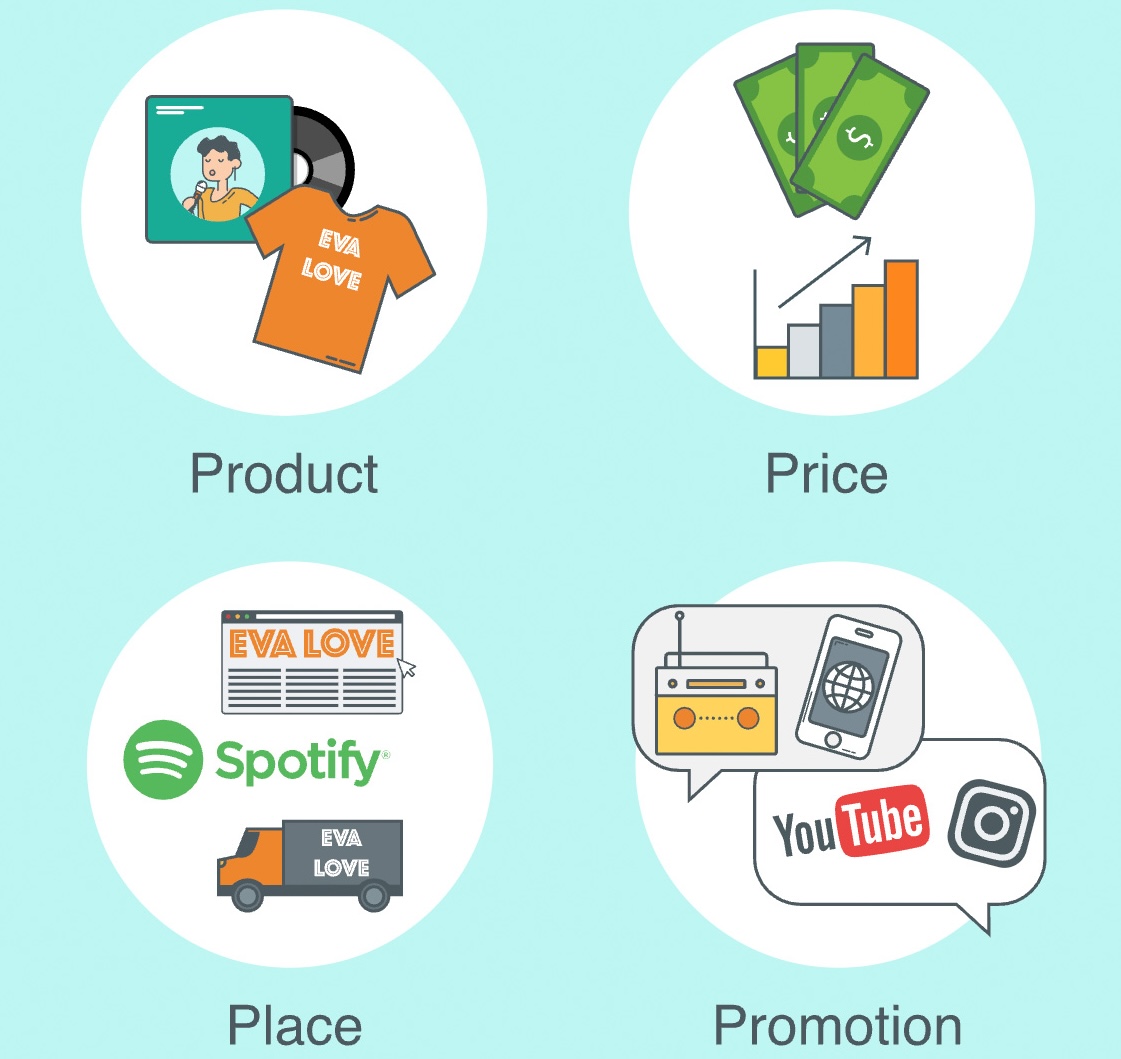
While developing a merch strategy, integrating the marketing mix, also known as “the 4 Ps” (product, price, place, and promotion) can be a really useful tool. Each element can help create a cohesive and effective merch strategy.
Product
Here are some considerations when selecting the types of merch items you will sell and their design:
- Creating designs: The design of your merch should reflect your brand identity, be visually appealing, and resonate with your audience. Collaborate with artists or graphic designers, or use tools like Canva to create your designs. Platforms like 99designs, Fiverr, and Upwork connect you with freelance designers for custom projects, while communities like Behance and Dribbble showcase portfolios to help you discover creative professionals whose style matches your vision.
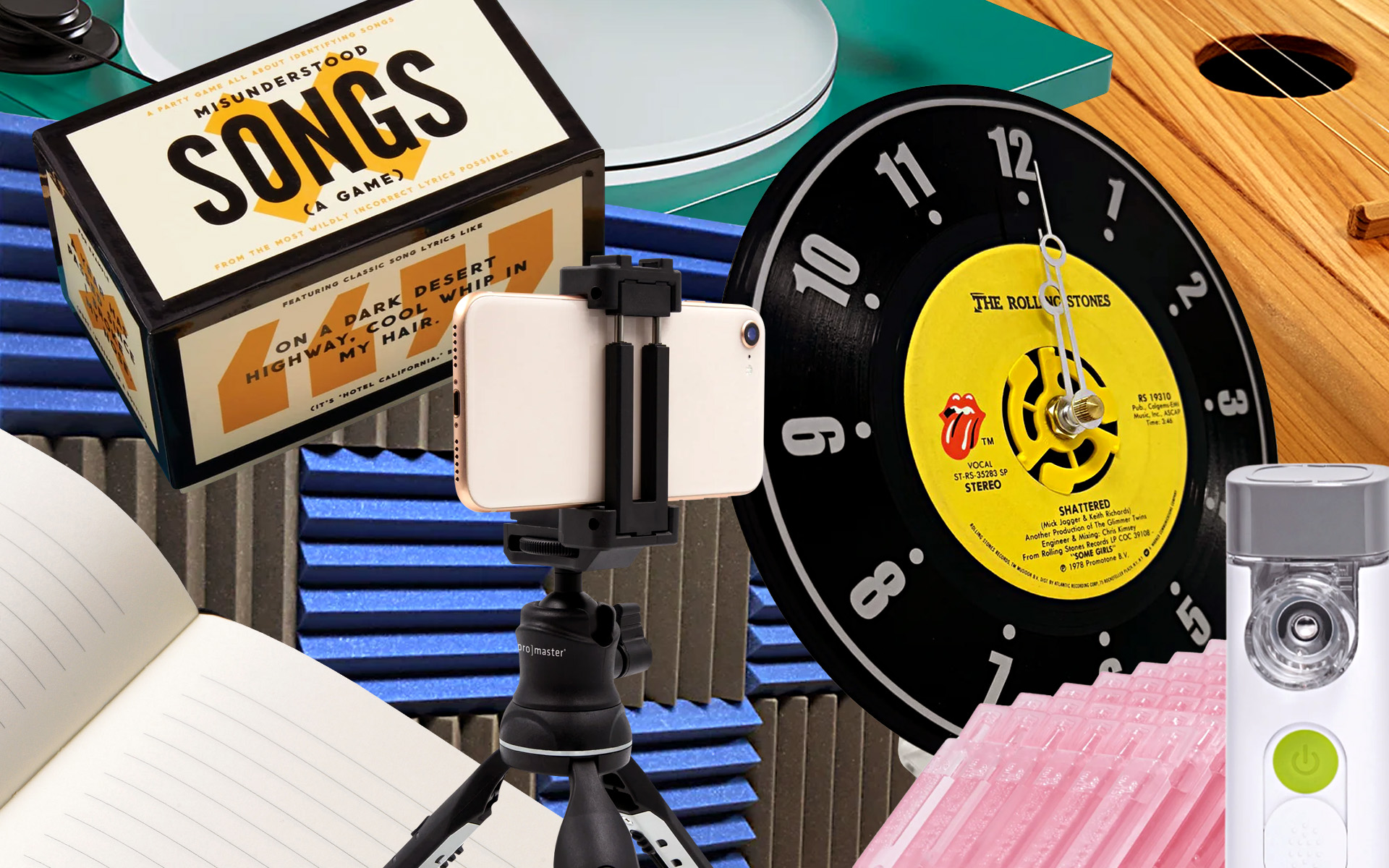
- Types of merchandise: Offer a variety of products to cater to different fan preferences. Common merchandise items include apparel (T-shirts, hoodies, hats), accessories (pins, patches, phone cases), music-related items (vinyl records, CDs, posters), and lifestyle products (mugs, water bottles, tote bags). To take this a step further, deeply understand the interests and passions of your fans and create specialized merchandise that aligns with them. This could include items such as video games, skateboarding, jewelry, and beyond.
Legal considerations: It’s important to ensure that all designs are original or properly licensed. Protect your brand by trademarking your logo and key designs. This prevents unauthorized use and ensures that your merch stands out in the market.
Merch Item Ideas
- T-shirts
- hoodies/sweatshirts
- tank tops
- crop tops
- beanies
- baseball caps
- trucker hats
- bandanas
- scarves
- towels
- pins and buttons
- patches
- phone cases
- tote bags
- drawstring bags
- messenger bags
- guitar picks
- USB/flash drives with exclusive content
- posters (framed and unframed)
- signed photos
- handwritten lyrics
- journals (notebooks)
- stickers
- jewelry (bracelets, necklaces)
- pens
- socks
- underwear
- sunglasses
- water bottles
- coffee mugs
- beer koozies
- bottle openers
- cannabis accessories
- lighters
- matches
- glowsticks
- makeup
- perfume
- candles
- shot glasses
- art or crafts created by the artist
Price
Determining the price of the merch items you plan on selling.
- Setting goals: Define clear objectives for your merch. Are you looking to boost revenue, promote a new album, or enhance fan engagement? Set measurable targets such as the number of items sold or revenue generated within a specific period.
- Cost analysis: Calculate the total cost per item, including production, shipping, and marketing expenses. Your pricing should cover these costs and provide a reasonable profit margin.
- Pricing strategies: Consider different pricing strategies such as:
- Cost-plus pricing: Add a markup to your cost to ensure a profit.
- Competitive pricing: Set prices based on what similar artists are charging, ensuring your prices are attractive to fans.
Place
Figuring out where and how to sell your merch items to maximize sales and revenues.
- Online sales: Set up an online store on your website or direct-to-fan page using platforms like Shopify, Bandcamp, or Big Cartel. Ensure a seamless user experience with easy navigation, secure payment options, and responsive customer service.
- In-person sales: Create an appealing merch booth experience for live shows. Display items attractively and ensure you have enough inventory. Train staff or volunteers to manage sales efficiently and provide excellent customer service.
- Choosing merchandise suppliers: Select reliable suppliers for both print-on-demand services and bulk manufacturing. Evaluate suppliers based on reviews, product quality, and reliability. Request samples to ensure the quality meets your standards before making a large order.
- Managing inventory and fulfillment: Evaluate options for managing inventory and fulfillment, from doing it yourself to working with a print-on-demand (POD) service.
Promotion
Promoting merch items through various communication channels.
- Brand integration: Your merch promotion should be an integral part of your overall marketing strategy. Use consistent branding across all platforms to ensure that your merch feels like a natural extension of your music and brand.
- Promotion channels:
- Social media: Leverage platforms like TikTok, Instagram, X, and Facebook to showcase your merch. Use engaging content such as behind-the-scenes looks, fan photos, and exclusive offers.
- Influencers and fan-generated content: Collaborate with influencers and fans to feature your merch on their socials.
- Email marketing: Send targeted email campaigns to your fanbase. Highlight new products, special offers, and limited-time deals.
- Online store: Offer sales promotions and feature selected merch items on your website or online store prominently.
- Live shows: Set up an attractive merch booth at concerts and events. Engage with fans directly and offer exclusive items available only at live shows.
Creating urgency and scarcity: Drive sales by creating a sense of urgency and scarcity. Offer limited edition items or time-sensitive deals. Pre-order campaigns can also generate excitement and fund production costs upfront.
Turn Merch into Momentum
Merch isn’t just about selling things: it’s about building a deeper relationship with your audience. When your products reflect who you are and what your fans love, they become more than just revenue; they become part of your story. Keep listening, keep experimenting, and track what resonates so you can refine your approach over time. With the right strategy, merch can turn casual listeners into lifelong supporters, and your brand into something fans are proud to wear, share, and display.