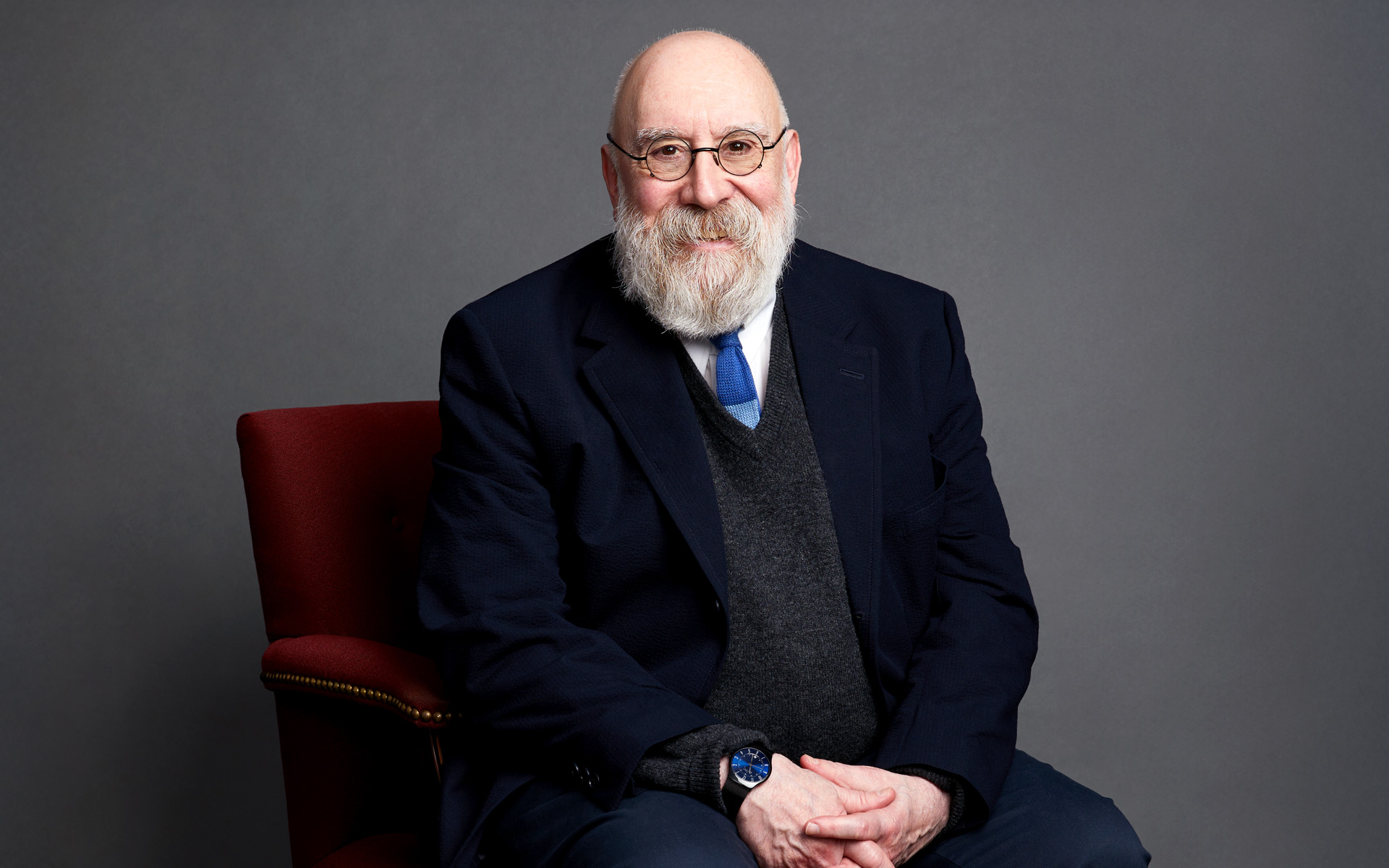
Sean Slade helped shape the sound of ’90s alt-rock, from Boston’s Fort Apache studio to Radiohead’s breakout hit “Creep.” In this Q&A, he shares the stories, instincts, and creative risks behind those sessions, along with the lessons that continue to guide his work as a producer and educator, teaching in Berklee Online’s Music Production grad program.
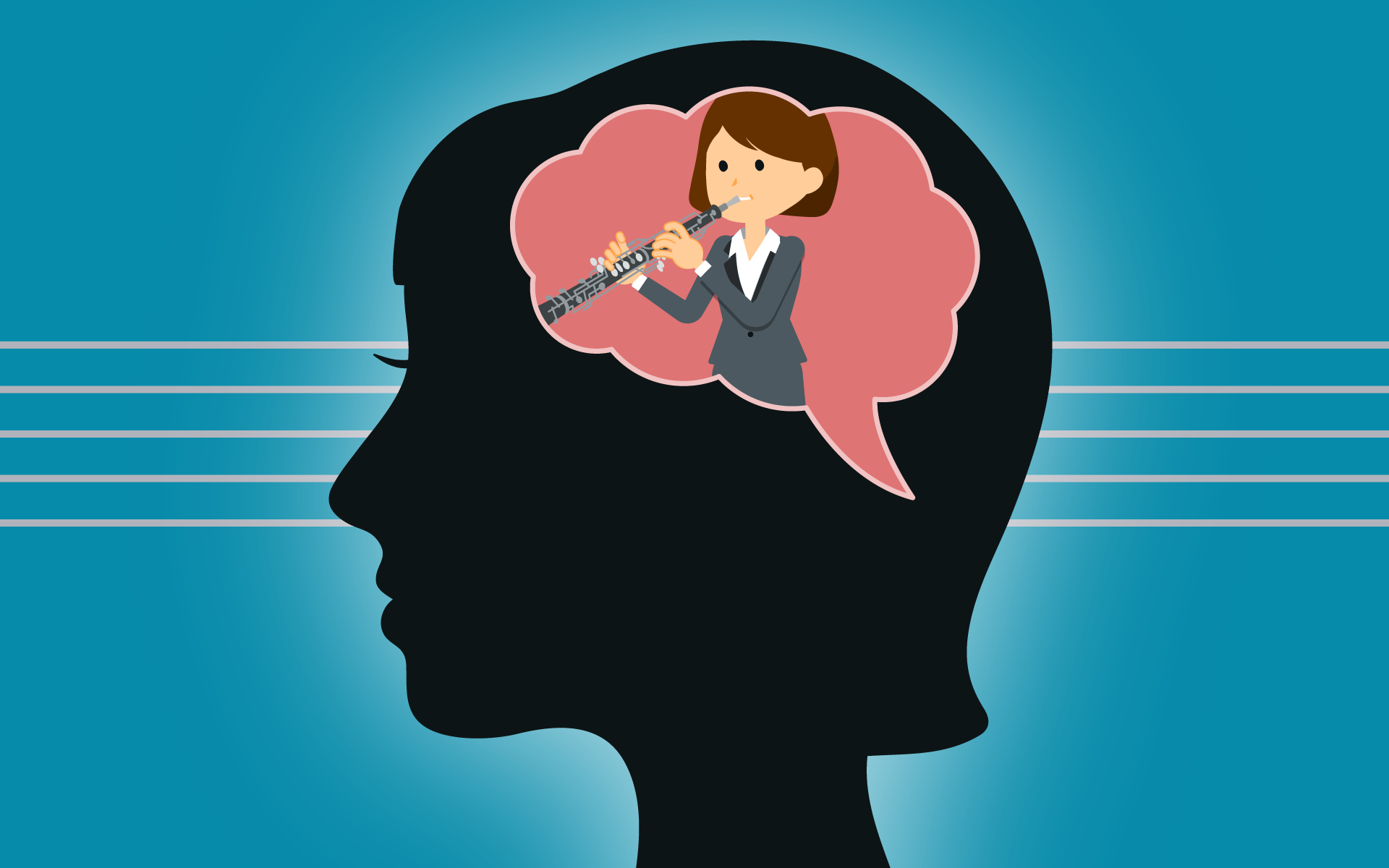
As a musician, not all of your practice will be on your instrument. Some of it will be in your head, and some of it may even be on objects that just look like your instrument. We call this mental practice, and in this excerpt from Barbara LaFitte’s Practicing Techniques for Musicians course, the former principal oboist in the Boston Ballet Orchestra shares tips on how to practice your instrument when you just aren’t able to actually play your instrument.
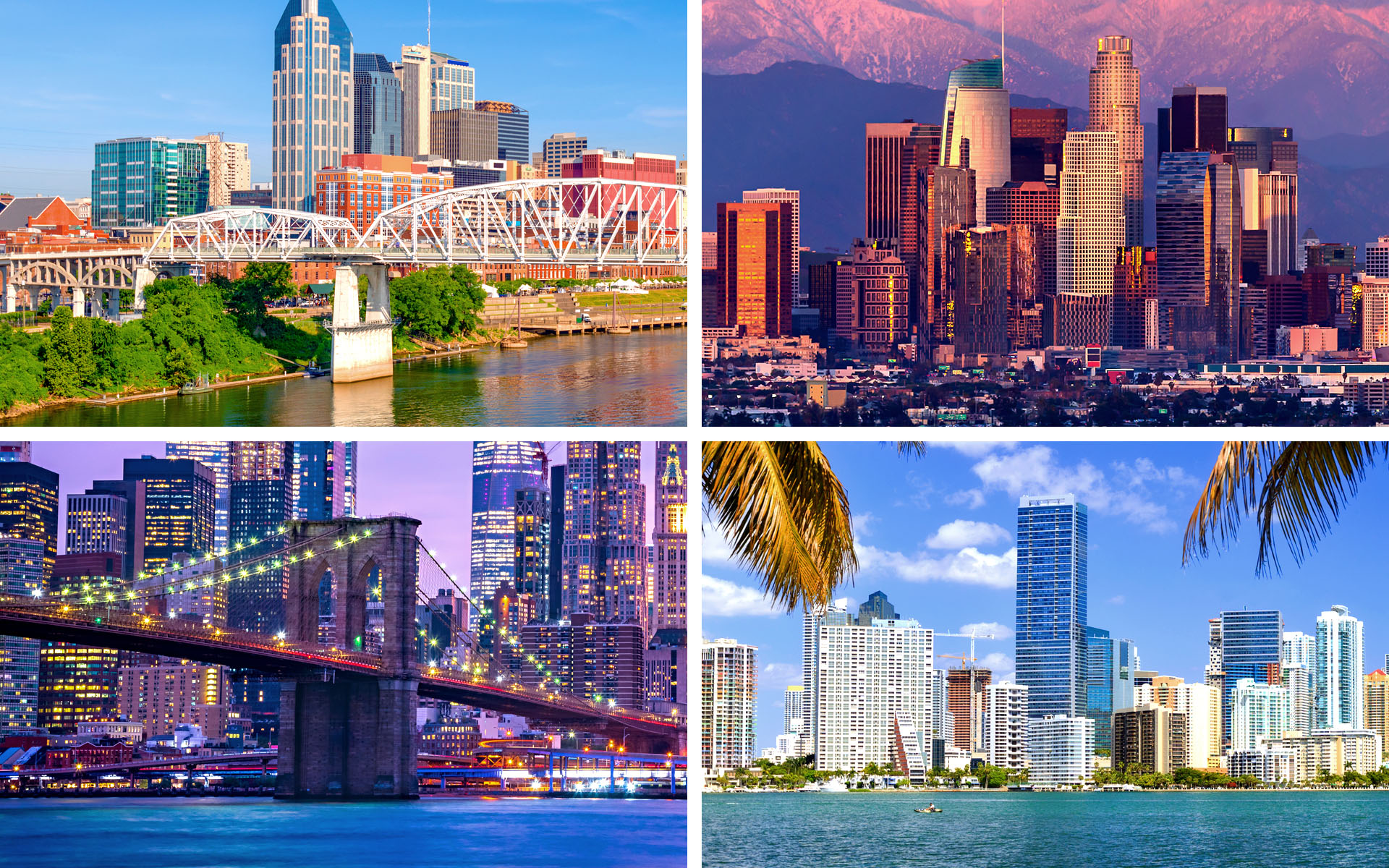
Wondering where to take your music career? Explore the best cities for your professional life through expert advice from Berklee Online instructors and alums who currently live and work in Nashville, Los Angeles, New York City, and Miami.
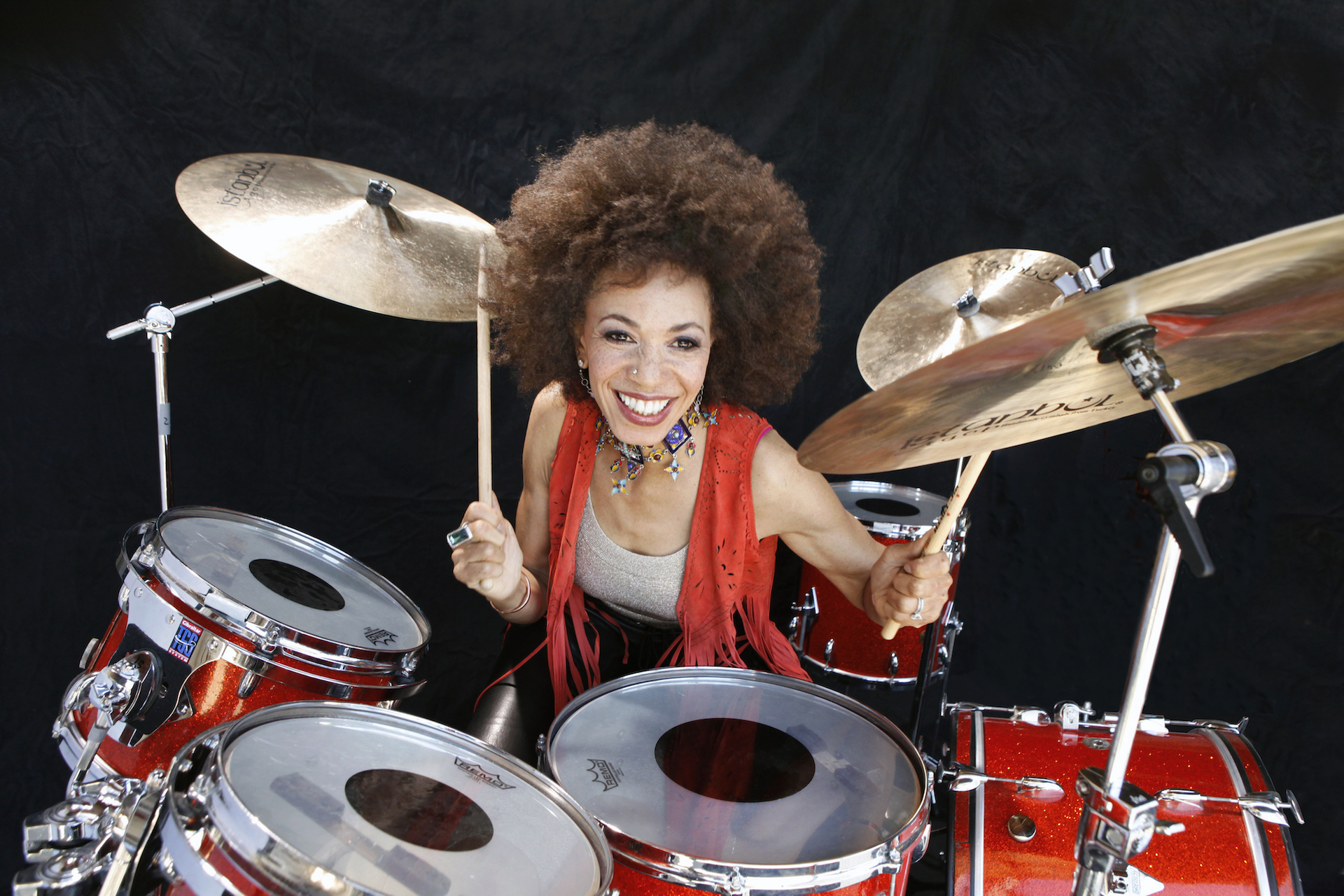
Cindy Blackman became Lenny Kravitz’s drummer after a lifetime of jazz drumming. In this wide-ranging interview she discusses being visited by the spirits of the jazz greats she befriended during her time in New York City, and how she and husband Carlos Santana stay in harmony, onstage and off.
Faculty Favorites That Capture the Energy, Chaos, Intimacy, and Spontaneity of Live Performance
’Tis the season for outdoor concerts. It’s a time to stand in the open air with your people and sing along to the songs that kept you sane all winter … this time with the people who actually wrote these aforementioned jams. But if you’re not quite ready to brave the gridlock and tailgate on the hot blacktop of an amphitheater parking lot, the best live recordings can get you pretty close to the good parts of the concert experience. Whether you’re getting psyched for a show or just chilling at home with your bluetooth, we asked Berklee Online instructors—many of whom have performed, engineered, or mixed concerts themselves—to share the live albums they return to again and again. We’ve linked to the full albums and featured highlights in the playlist below.
“I can’t say I have a favorite live album because there are so many that have had an indelible impact on me,” says Amanda Davis, co-author of Live Event Sound Engineering and Concert Mixing 201. One album stands above the rest for her. “Erykah Badu’s BaduizmLive changed my life! The music, the arrangements, and the vocal performances are all superb. And the mixing is elite! The first song is ‘Rim Shot’—that’s the side stick of the snare drum, and the sound of the rimshot is CLEAR! Even though I love the studio version of the song on Baduizm, the live version on Live takes the music and message to another level.”
“Starting with ‘Catfish Blues’ and ending with ‘When The Sun Goes Down,’ you’re taken on a kind of blues journey that includes highs and lows,” he says. “The high energy of songs like ‘Don’t Owe You a Thang’ and the slowdown of ‘Blak and Blu’ is just incredible.”
Carroll says Clark is “a modern-day legend and we are lucky to have him,” and recommends listening to the album straight through.
Ahmad Jamal
Yoron Israel, author and instructor of Drum Set Performance 101, has performed on more than a dozen live albums, both as a bandleader and a support. He says that albums like Ahmad Jamal’s Live in Paris 1996and Chicago Revisited, both of which he played on, can sound completely different, because of the chemistry of different players and the vibe of the venue.
Yoron Israel drums with Ahmad Jamal in 1996.
Abbey Lincoln
Israel also calls Abbey Lincoln’s 1994 live release, Music Is the Magic, “a huge favorite.”
“That recording really captures the uniqueness of a live recording,” he says. Recorded at the now-defunct Sweet Basil Jazz Club, the NYC room was one of his favorites to play. He says the venue where a live album is captured is one of the most important aspects of a good live recording, each room carrying its own unique energy.
Sonny Rollins & John Coltrane
“There are certain live dates of artists like Sonny Rollins’ A Night at the Village Vanguard, or even now, to this day, John Coltrane’s Live at Birdland,” Israel says. “There’s an energy between the members of a touring band, coupled with the energy that you’re getting from the audience. It’s hard to explain, but there’s something that happens as a performer: It’s not like you’re totally engulfed in the audience, but when you get in front of an audience, whether it’s 10 people or 10,000 people, there’s just another gear that kicks into your psyche, into your emotion, and that’s captured on live records, and it’s not that way in the studio.”
Matt Smith is the Managing Director of the legendary Club Passim in Cambridge, and one of the instructors for the Music Venue Management course. He has also worked as a tour manager, sound engineer, and stage manager/MC for various tours and festivals, so it makes sense that there would be some variety in his choices. He says his two favorite live albums capture opposite ends of the live music experience: the intimacy of a packed club and the scale of arena rock.
Small Room Energy: Sam Cooke’s Live At The Harlem Square Club, 1963 Smith’s first pick is Sam Cooke’s Live At The Harlem Square Club, 1963. “It’s a small room where you can almost feel the crowd, the heat, and the energy,” he says. “The band and the audience are feeding off of one another.” Smith says the performances feel almost accelerated compared to the studio recordings, charged with “electricity and excitement and immediacy.”
Stadium Scale: Wings’ Wings Over America For pure arena spectacle, Smith points to Wings’ triple album, Wings Over America. “This is stadium rock at its best,” he says. Smith says he loves the way McCartney and company move easily between Beatles classics, newer material, and quieter acoustic moments. “They are firing on all cylinders but can bring things down to quiet, acoustic songs that make an entire audience lean in like they’re in a club.”
Keith Jarrett
Sean Slade says he likes live recordings to feel exploratory and unpredictable, and that his favorite live release is from Keith Jarrett: “Of the many adventurous and entirely improvisational live solo piano outings he has done, Keith Jarrett’s Sun Bear Concerts is my favorite. Documenting five concerts given in five Japanese cities from November 5-18, 1976, each show is very different, and if he doesn’t reach his stated aim of ‘running the gamut of human emotions,’ he comes damn close. I’m drawn to Osaka, where the vibe can get downright funky.”
The Grateful Dead
Danny Morris, author of R&B Bass, and co-author of Bass Performance 101 was a second-semester freshman at Ithaca College in May of 1977, when the Grateful Dead played nearby Cornell University. The recording of the show, alternately known as Barton Hall or Cornell 5/8/77 is a unanimous top 10 for any respectable Deadhead, and is one of the famed “Betty boards,” helmed by sound engineer Betty Cantor-Jackson.
“I was there! It was just a wonderful evening,” he says.
“It’s now one of my son’s favorite recordings! The Dead sounded very happy there. You can hear the joy in Phil Lesh’s bass playing for real on the recordings. All the Dead shows around that time period sounded epic. Thank goodness for all the live tapes that circulated, and now we have channel 23 (The Grateful Dead Channel) on Sirius radio 24/7.”
He says it’s fortunate the show was recorded so well, because his own recollection of the night is a little hazy, for good reason.
“There was no security and stuff back then,” he says. “My roommate brought in a backpack with a whip-it canister, and we had all these little nitrous tanks. You just sat down, inhaled this laughing gas, and we had, like, the best time.”
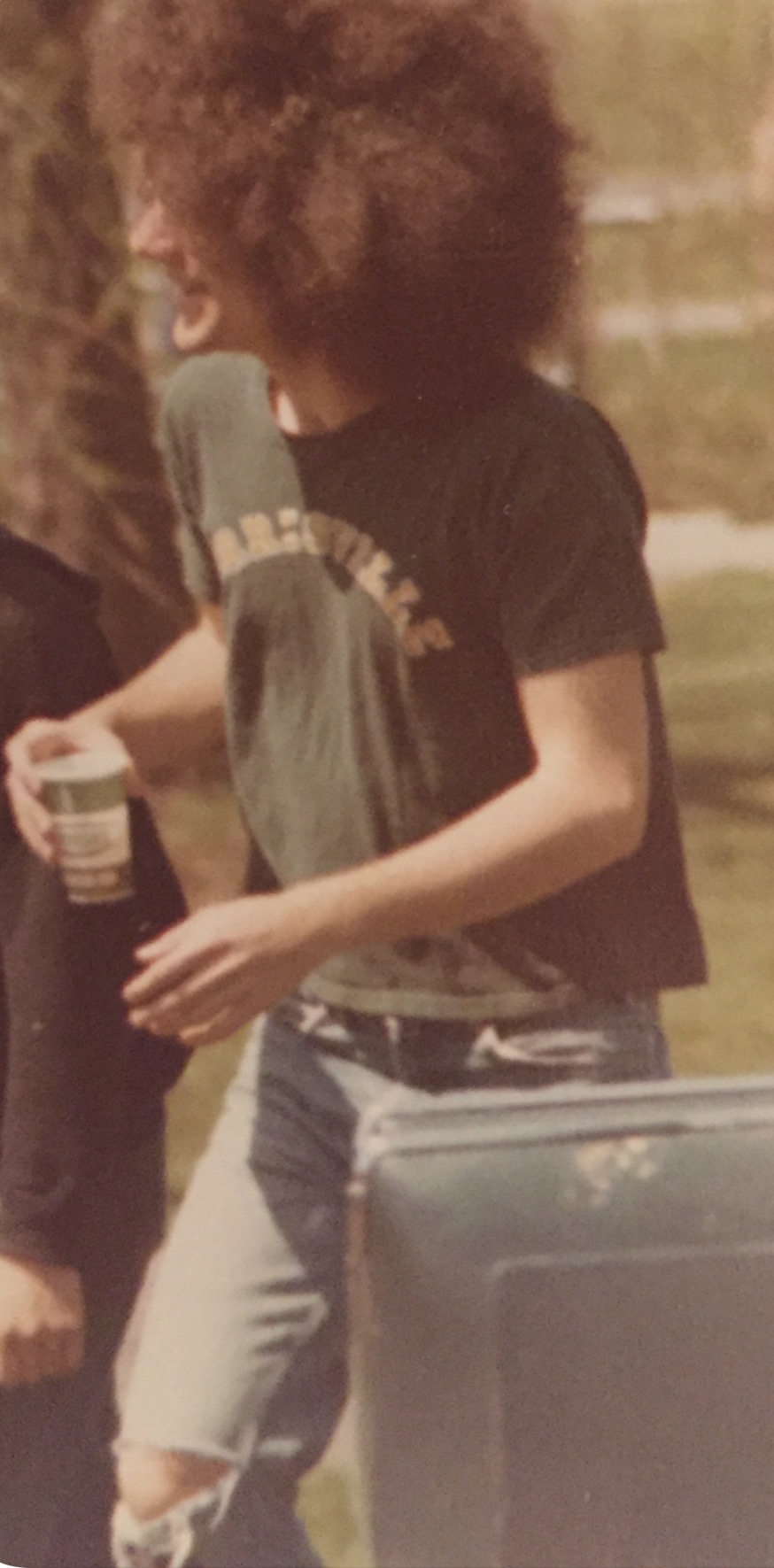
When emailed about whether he wanted the nitrous anecdote stricken from the record, he replied, “You’re welcome to tell the tale. It was 1977 after all :))” and sent us the pic above of young Danny Morris, taken on the day of the show.
The Who
Critical Listening 1 instructor Leanne Ungar says she generally prefers studio albums to live recordings—with exceptions for The Who Live at Leeds and the aforementioned Grateful Dead Betty boards—but two Leonard Cohen releases changed that equation for her entirely.
“Live energy is undeniable,” she says. “The highs are higher. And if you can’t be there for the experience, you can feel some of it at home.”
Leonard Cohen
Two particular albums where you can feel the energy at home have Leanne to thank for that; Leonard Cohen’s Field Commander Cohen, a 1979 concert that she produced as an album in 2001, and Cohen Live, from 1994, which she co-produced with her husband, Bob Metzger.
“I thought Field Commander Cohen was a terrific picture of Leonard at a time when he was singing with exuberance and playing with a killer band,” she says. “I wanted the world to hear the beautiful recordings done by engineer/producer Henry Lewy. When Leonard and I listened to them 20 years later we agreed that it was a tragedy they had never been mixed and released. So we put it out in 2001.”
This version of “Sisters of Mercy” was captured a month after the version that appears on Cohen Live.
On the Cohen Live album, Ungar says she fought to exclude “Heart with No Companion” because the source recording was only a cassette front-of-house mix, but Metzger felt the performance outweighed the poor sound quality. So did the person with the tie-breaking vote: Cohen himself.
“In the case of both live records, the degree of energy and tension in the music is so different from a studio recording that the songs are made new,” she says.
Roberta Flack
As a young singer, Gabrielle Goodman’s first touring experience included singing backing vocals on what would become Roberta Flack’s S.O.U.L. recording. Goodman, who wrote Improvisation Techniques for Singing Pop and R&B and co-wrote R&B Vocals (and teaches both), says she didn’t know the shows she performed in would one day be released as a Roberta Flack live recording.
“Singing ‘Killing Me Softly’ with Roberta Flack was a dream come true,” Goodman says. “She was my mother’s favorite singer and mine. I was inspired by her voice, her piano playing, and the incredible arrangements.”
“I marveled at Chaka’s powerful singing,” she says. “It allowed me to dream about singing and maybe one day work with her.”
Aretha Franklin
Aretha, meanwhile, inspired Goodman “to belt and sing from the heart,” particularly on the live version of “Respect,” which she calls “spectacular.”
This version of “Crazy in Love” is just one of the dozens of highlights from the Homecoming album.
Author’s Top 5
The album that kickstarted this article was an annual spinning of Bob Marley & the Wailers’
LIVE!
album, which is a great celebration of life and music. The first thing we hear him sing on the album is “one good thing about music, when it hits, you feel no pain.”
Here are a few of my own favorites, ranked chronologically because naming a single best live album feels impossible.
I also excluded anything that any other instructors included, such as Field Commander Cohen and Cornell 5/8/77.
1.
Live & Dangerous by Thin Lizzy (1978): I’m not sure which is cooler, the fact that “Bluesy Huey Lewis” is thanked on the album credits, playing harmonica on “Baby Drives Me Crazy,” or the seamless transition from “Cowboy Song” into “The Boys Are Back in Town.” Note: I gave myself a one-Irish-live-album limit, and it was tough to exclude Van Morrison and U2!
2.
Rank by The Smiths (1988): Rank captures the Smiths exorcising all the drama of their interband tension, from the air-raid-siren guitar tone of “Panic” to the melancholy sweep of “I Know It’s Over.”
3.
Live from the Muddy Banks of the Wishkah by Nirvana (1996): I’m in the second row during the performance of “Sliver,” one of my faves from that night, and on the album. If you listen realllly closely, you just might hear me yell, “Play that one again!”
4.
For Sale: Live at Maxwell’s 1986 by The Replacements (2017): The famously sloppy Replacements are in peak form here, with the guitars of Paul Westerberg (left) and Bob Stinson (right) gloriously split across the stereo field.
5.
Homecoming by Beyoncé (2019): It would be impressive enough that Beyoncé reimagined her entire set to be accompanied by an all-star marching band from historically Black colleges and universities, but the fact that it was for only two shows is amazing. Any song on this 40-song set can hold its own next to the studio original.
Whatever the genre or venue size, good live albums can make you feel like you missed a really good night, but the best live albums can make you feel like you were there.