Sean Slade helped shape the sound of ’90s alt-rock, from Boston’s Fort Apache studio to Radiohead’s breakout hit “Creep.” In this Q&A, he shares the stories, instincts, and creative risks behind those sessions, along with the lessons that continue to guide his work as a producer and educator, teaching in Berklee Online’s Music Production grad program.
As a musician, not all of your practice will be on your instrument. Some of it will be in your head, and some of it may even be on objects that just look like your instrument. We call this mental practice, and in this excerpt from Barbara LaFitte’s Practicing Techniques for Musicians course, the former principal oboist in the Boston Ballet Orchestra shares tips on how to practice your instrument when you just aren’t able to actually play your instrument.
Wondering where to take your music career? Explore the best cities for your professional life through expert advice from Berklee Online instructors and alums who currently live and work in Nashville, Los Angeles, New York City, and Miami.
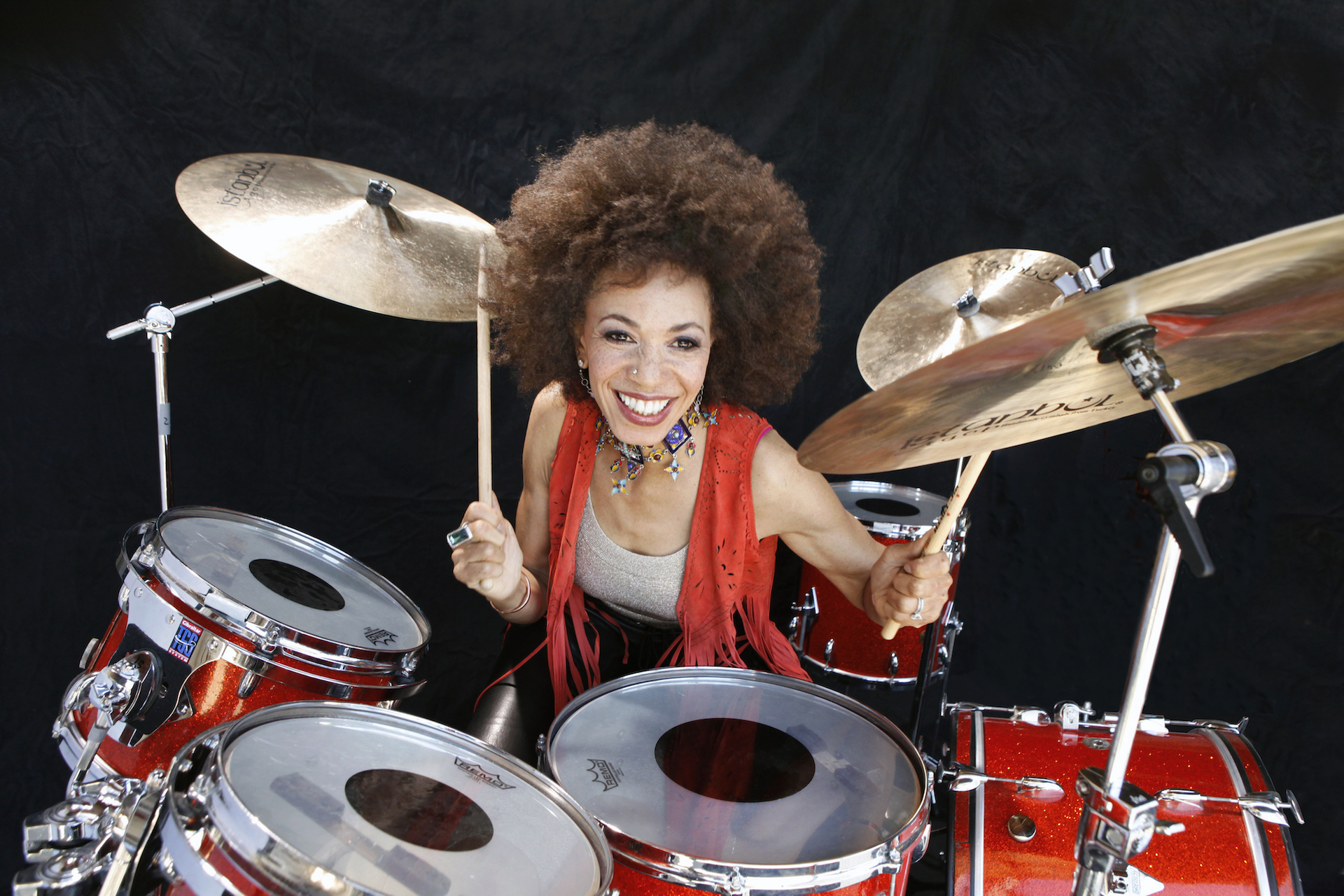
Cindy Blackman became Lenny Kravitz’s drummer after a lifetime of jazz drumming. In this wide-ranging interview she discusses being visited by the spirits of the jazz greats she befriended during her time in New York City, and how she and husband Carlos Santana stay in harmony, onstage and off.
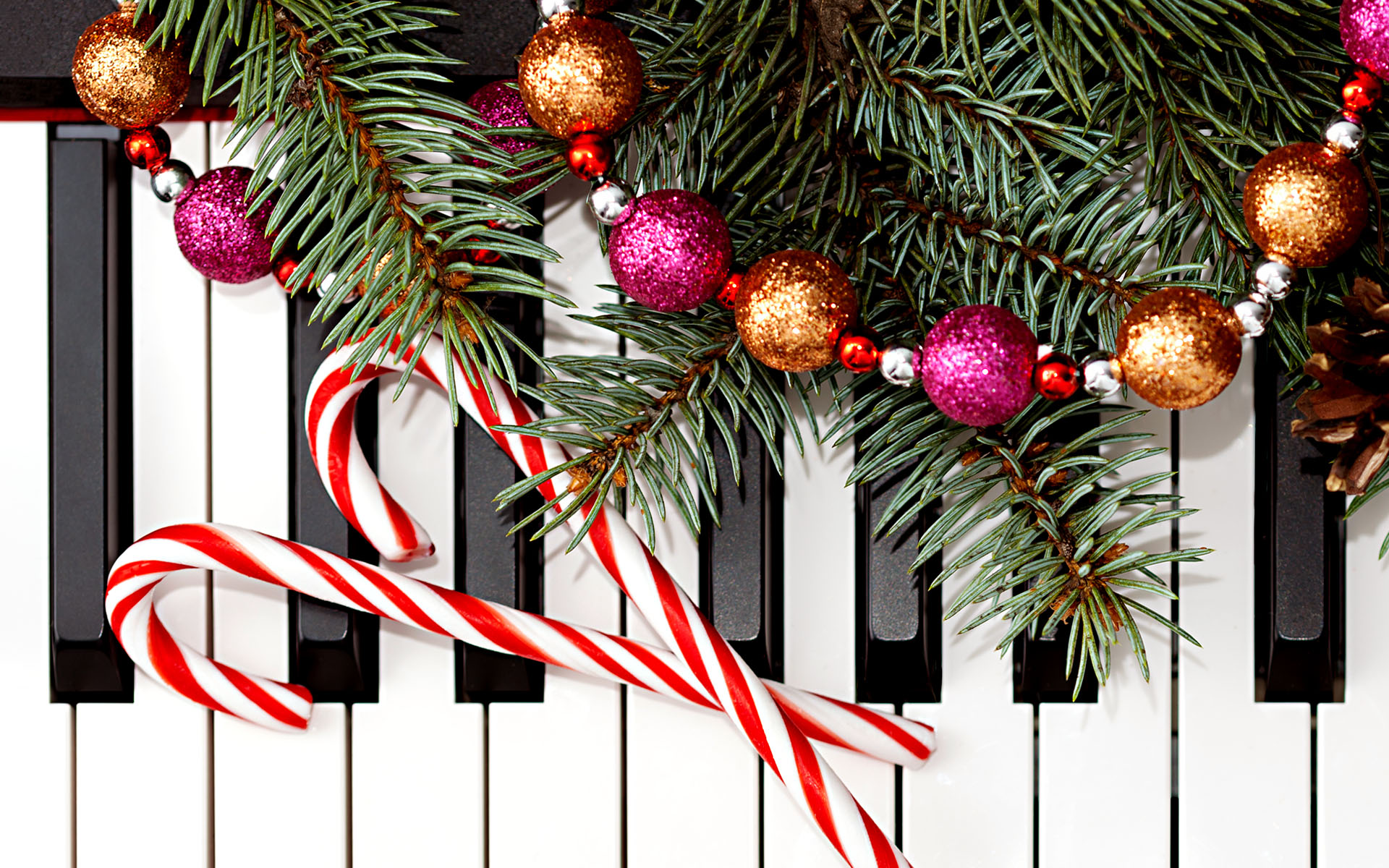
Berklee Online Gospel Keyboard instructors Dennis Montgomery III and Mark Copeland on Carols, Congregations, and Turning up the Organ for Christmas
For gospel keyboardists, December is about more than just bringing tidings of comfort and joy. According to the authors of the Berklee Online course Gospel Music for Keyboard, it’s about balancing tradition, taste, and congregational singability. The twin notions of knowing your material and knowing your audience are prevalent in any keyboard conversation about classic Christmas carols.
“Sometimes you’ve got to choose stuff that’s easy,” says course author Dennis Montgomery III, who is playing a number of services leading up to and including Christmas, at Ebenezer Baptist Church in Abington, Massachusetts.
“Whether I’m on the Hammond B3 or the Rodgers 950B, it’s more of an accompanying type of situation: If we’re doing something liturgical and I’m on the Rodgers, if I feel the energy building, then I might go in a little bit more on the sforzando pedal and pull out some of the bombards and all of the loud-sounding stops, but if it’s casual singing, I just keep it at a minimal, or find a little happy medium.”
The two course authors put together a list of the top five Christmas carols they think every gospel keyboardist should know:
“O Come, O Come, Emmanuel”
“Silent Night”
“Go Tell It on the Mountain”
“Angels We Have Heard on High”
“Oh Come All Ye Faithful”
Montgomery says with a laugh that he sometimes gets a little tired of playing the first song on the list, “because it’s been overdone, but I’m just gonna do it just to keep the vocal morale up.”
Copeland mentions some of his favorites, such as “Silent Night” and “Go Tell It on the Mountain.”
“That’s a great gospel tune that I grew up with,” he says of the latter song.
When discussing the Mahalia Jackson version, Montgomery pipes up: “That’s one of my favorites, especially hearing her sing,” he says. “That’s a once-in-a-millennium voice. There has never been another one like it, that is for certain.”
“I like the Whitney Houston version of ‘Joy to the World,’” says Copeland.
Dennis & Mark’s Gospel Christmas Highlights
The following playlist comes from a discussion of specific versions of Christmas carols that Dennis and Mark enjoy listening to. Many of these artists are covered in their Gospel Music for Keyboard course.
We Wish You a Modal Christmas
While Montgomery and Copeland both say they enjoy playing the popular major-key Christmas carols, they also enjoy some of the modal songs like “God Rest Ye Merry Gentlemen,” “What Child Is This (Greensleeves),” and “Carol of the Bells.”
“Some of these carols are not done as much in the church, Black or white, actually,” says Montgomery. “Why that is, I really don’t know, because those are beautiful carols.”
“Maybe it’s because the others are in ‘happy’ keys,” suggests Copeland.
Montgomery sings the “star of wonder” middle part of “We Three Kings,” and points out that it is the only major-key part of that song before it goes back to sounding minor.
“In order to play and sing some of these, you’ve got to really know what you’re doing,” he says, “and your ears really have to be together.”
Edwin Hawkins is a gospel artist that Dennis and Mark cover extensively in the Gospel Music for Keyboard course, and his “Oh Happy Day,” about Jesus washing away the sins of the singer, was such a crossover success in the late 1960s that it has even been adopted as a Christmas song in some instances.
Part of knowing what you’re doing as a Gospel keyboardist is making sure your congregation knows what they’re doing.
“When you’re in the midst of the balance with what you’re playing, you want to make the melody the dominant factor,” says Montgomery. “That melody has to be established, because if it’s not—depending on the congregation—you’ll throw them off!”
Copeland chimes in: “A younger crowd would be like, ‘Yeah, that’s awesome!’”
“Right,” says Montgomery. “Depending on the congregation, they’ll say, ‘Woo, that was wonderful!’ Some congregations have been more cultured, where they have an appreciation for flavoring the music a little bit more.”
In the end, Montgomery and Copeland’s advice isn’t about big runs or pulling out every stop (literally). It’s about giving your congregation something they can hold onto. A well-placed carol, a melody that stays front and center, and just enough flavor to keep the season merry and bright. If you can manage that, you’ve already delivered the best gift a keyboardist can bring to a Christmas service.