Sean Slade helped shape the sound of ’90s alt-rock, from Boston’s Fort Apache studio to Radiohead’s breakout hit “Creep.” In this Q&A, he shares the stories, instincts, and creative risks behind those sessions, along with the lessons that continue to guide his work as a producer and educator, teaching in Berklee Online’s Music Production grad program.
As a musician, not all of your practice will be on your instrument. Some of it will be in your head, and some of it may even be on objects that just look like your instrument. We call this mental practice, and in this excerpt from Barbara LaFitte’s Practicing Techniques for Musicians course, the former principal oboist in the Boston Ballet Orchestra shares tips on how to practice your instrument when you just aren’t able to actually play your instrument.
Wondering where to take your music career? Explore the best cities for your professional life through expert advice from Berklee Online instructors and alums who currently live and work in Nashville, Los Angeles, New York City, and Miami.
Cindy Blackman became Lenny Kravitz’s drummer after a lifetime of jazz drumming. In this wide-ranging interview she discusses being visited by the spirits of the jazz greats she befriended during her time in New York City, and how she and husband Carlos Santana stay in harmony, onstage and off.
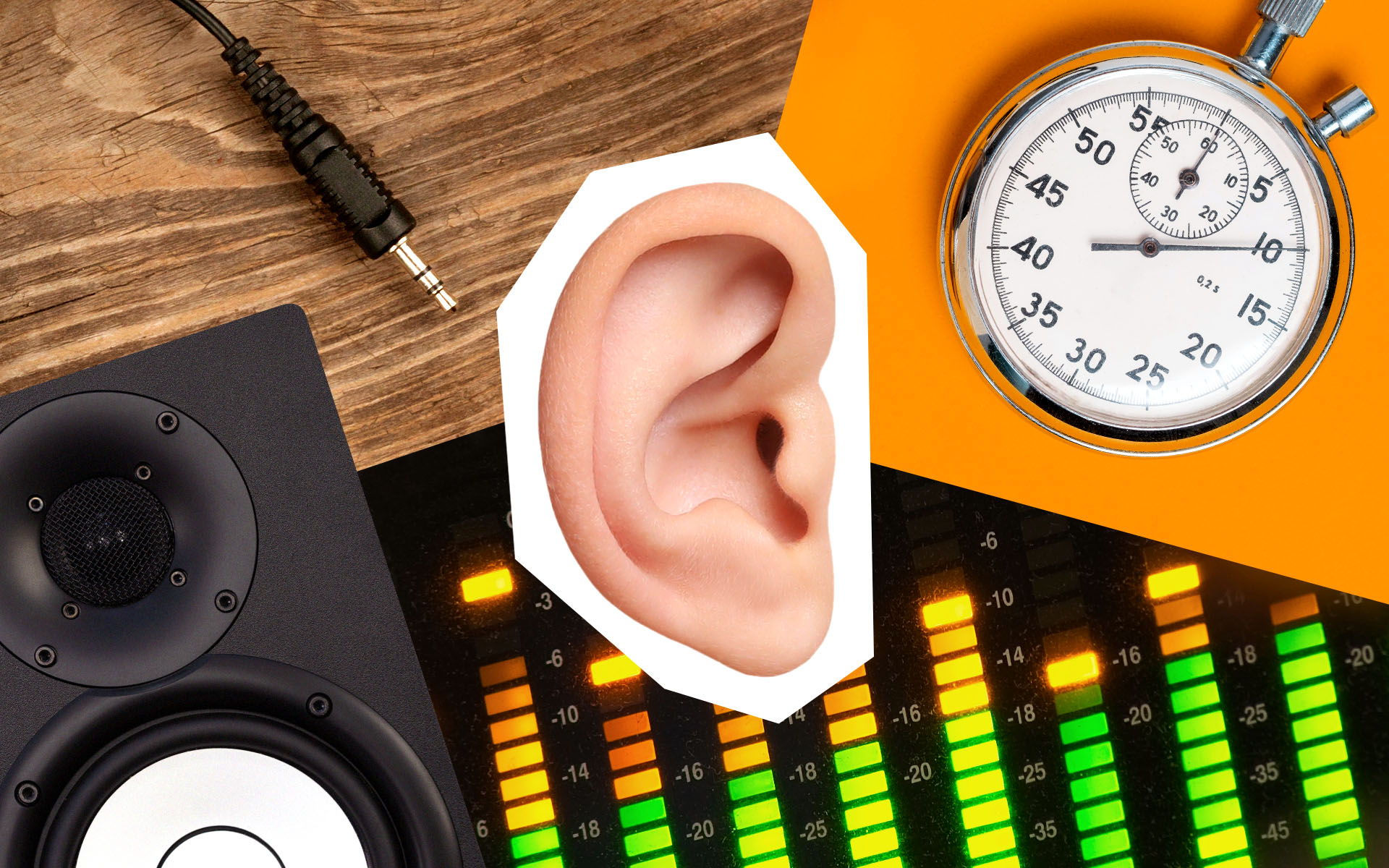
Berklee Online Instructors Advise on Ear Protection and Preventive Measures for Hearing Loss (Hint: Avoid Loud Noise for Long Periods of Time!)
Long hours in the studio can sharpen your ears, but they can also wear them down. For recording artists and music producers, critical listening is part of the job, making it easy to overlook the gradual effects of hearing damage until it’s too late.
The good news is that simple habits can go a long way toward preventing hearing damage. Berklee Online instructors share practical ways to protect your ears—and explain why doing so can make a difference both in and out of the studio.
Hearing Damage in Musicians Starts with Ear Fatigue
Susan Rogers, author of several Berklee Online courses, including Psychoacoustics for Music Productionand Music Cognition, spent many years working in studios, including as a staff engineer for Prince, and has produced artists such as Barenaked Ladies and David Byrne.
According to Rogers, when producing or recording in studios, you may experience ear fatigue, where you start to hear a temporary, mild ringing or buzzing. This is a sign that your ear is adapting to the sound levels of your environment, which causes a tendency to turn the volume up even more. Experiencing ear fatigue often can later cause hearing loss. “Hearing damage is permanent,” she says. “It is due to cell death, which might be the inner or outer hair cells of the cochlea or the auditory nerves connecting the cochlea to the brain.”
Hearing loss can affect more than a musician’s career and personal life. Research has also associated it with increased stress and a higher risk of dementia. “Hearing is a metabolic process, so it is not as accurate when exhausted,” says Rogers. “When cochlear damage removes stimulation on the auditory nerve bundle, brain regions that normally get information from the ears become lazy.”
Taking Breaks Is Important for Avoiding Hearing Damage
If you are a staff engineer in a studio or a session musician, odds are that you are being paid by the hour and working a full schedule. Taking breaks may not be built into your day, but they should be. Instructors recommend taking at least a 10-minute break every hour to help prevent ear fatigue.
Richard Mendelson, author of several Berklee Online courses, including Art of Mixing and Advanced Mixing Techniques, has worked with artists such as Rihanna, Nicole Scherzinger, Fergie, and more. He says he wishes he had taken better care of his ears to prevent the hearing damage he experiences today.
“I made a lot of mistakes,” he says. “In the old days, I’d start at 10 AM and do a mix or work on an album, and stay for 12 hours straight. Maybe stop to grab lunch or for a meal, but I wouldn’t take breaks every hour.”
Michael Bierylo, who co-authored the Sound Design for the Electronic Musician course, and has worked with artists like Nona Hendryx, Robert Rich, and Susan Ciani, says that giving your ears a break can benefit your hearing while also giving you a fresh perspective on your work.
“If you step away from what you’re working on, thinking about it, and then going back to it with fresh ears, you’ll have a different perspective. There may be things that you didn’t hear earlier that you now hear,” says Bierylo.
When collaborating with others, it’s always a good idea to encourage your colleagues to take frequent breaks, and it’s possible to do so without disturbing the creative workflow. Taking some time away from listening may help you spot different sounds in the recording that perhaps weren’t noticeable before.
“If I’m working with somebody, I’ll just manufacture times,” says Bierylo. “Usually, before I commit to saying it is finished, I’ll have a break. I’ll step away, do something, come back, and then listen to it.”
Regulating Listening Levels to Avoid Hearing Damage
How loud should your monitors be? Berklee Online instructors recommend keeping sound levels between 60 and 90 decibels. Mendelson notes that even modest increases in volume can significantly reduce the amount of time it’s safe to listen. He says he believes a better understanding of safe listening levels earlier in his career might have helped him avoid developing tinnitus. “I was sampling a product that I created for a company called Big Fish Audio. That project involved about 500 hours of listening over the course of a year, so roughly 10 hours a week. I was just listening with headphones and it was too loud.”
Sometimes loud volume is associated with a greater emotional response. Prince Charles Alexander, a Grammy-winning engineer who has worked on thousands of sessions and written several Berklee Online courses, including Commercial Vocal Production, explains that louder is definitely not always better. Producers can still incorporate moments of loudness into their work without risking their hearing.
“The great thing about working with music is that if you turn it down, you can actually hear more definition. The louder the volume is, the more your ear is smashing sound and evening things out, kind of like a natural compressor. So you’re not really hearing the true distribution of sound,” he says.
Alexander also says that when he’s producing, he pulls an existing song into the session so he can match the frequency levels and overall volume of his mix to the existing song. This technique allows him to mix without having to turn the volume way up.
“I set my session up so that I can A/B my work against that work. My goal is to not be brighter, not be duller, not be louder, not be quieter than that song,” he says. “A producer is trying to be innovative, but an engineer is trying to find a way for that innovation to express itself through some standards.”
Be Careful Working with Headphones
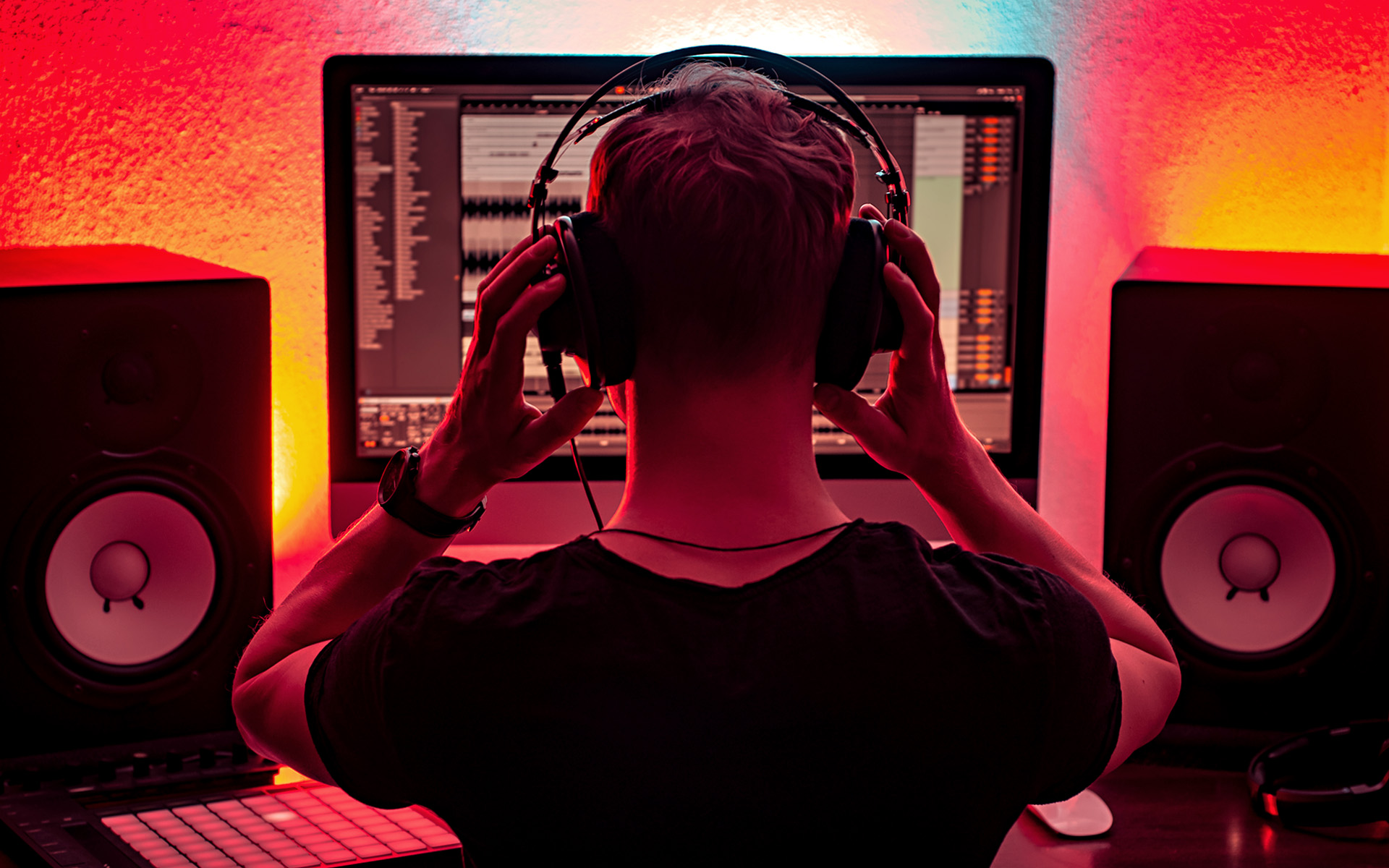
Advances in technology mean that there is not always a need to be in a studio to make music: a digital audio workstation (DAW) and a good pair of headphones will do! But be warned: The ability to spend hours and hours creating music from pretty much anywhere may be beneficial for your budget, but that’s not always the case for your ears. Producing on a computer and wearing headphones increases the chance of hearing damage because the sound is going directly into your ears.
“The capsule that is distributing the sound is a little bit too close to the eardrum,” says Alexander. “When I’m working with headphones, I try not to listen to things too loud for long periods of time.”
Understanding how loud is too loud can be tricky when using headphones. Alexander mentions how regulating loudness in a computer is possible, but requires an extra step before diving straight into work.
“There is no great way other than to put whatever you’re listening to through a secondary system somehow, so that you’re monitoring your computer through a compressor or a LUFS meter,” he says.
Musicians can now find SPL meter apps for their phones and computers, which allow them to see the decibel level at which their recordings are. This is optimal for producers who tend to work on the go and use headphones a lot.
Effective Positioning of Sound Equipment
Inside the studio, you’ll most likely work from the “sweet spot,” with the two monitors and your listening position forming an equilateral triangle. The key to avoiding hearing damage is to set your monitors to the optimal volume.
“When you’re in a commercial studio, they have large monitors, midfield monitors, and small monitors,” says Alexander, who has worked with artists such as Destiny’s Child, Usher, and Aretha Franklin. “I’ve worked with people who want to listen to the large monitors loud for a very long amount of time. One of the things that I do is limit my exposure to the large monitoring to probably a third of the time that I’m in the studio.”
Susan Rogers reminds us that each person’s hearing is different. “There can be a 15 dB difference between any two people at the upper mid frequencies. It tells us that what is ‘just right’ for one listener can be too bright or too dull for another.”
The First Step for a Long-Lasting Career
For musicians and producers, protecting your hearing means protecting one of the most important tools you have. Monitoring your listening levels, taking frequent breaks, wearing earplugs when needed, and limiting prolonged headphone use are simple habits that can help protect your ears both in and out of the studio.